
Overview
How Atomgigs works: sources, catalysts and buyers
Atomgigs does not build machines. It helps makers go to market, advises buyers and delivers work done and data.
- Go-to-market: where, how and to whom
- Gigs: jobs for their machines and talent
Paid by Makers: GTM fees; buyers: per gig
- Advice and investor diligence
- Project bidding and execution
Paid by Catalysts: advice, projects
- Hyperscalers
- Colocation providers
- Neoclouds
- AI labs
- Enterprise and edge
- Automakers
- Other manufacturers
- 3PLs (logistics firms)
- Carriers
- Warehouse operators
- Builders and owners
- Program managers
- Energy and power
- Mining, oil and gas
- Transit and telecom
- Public works
- Police, fire and rescue
- EMS
- Security operators
- Corrections and border
- Military installations
- Defense primes
- Healthcare
- Hospitality
- Real estate, facilities
- Food service
- Retail and agriculture
- Waste and recycling
- Data to train robots
- Real-site task data
- Video and sensor data
- Labs pay for the data
- Buyers get a discount
We offer Advice and work done for buyers; data for physical AI labs. Paid by Buyers: advice, capacity; labs: data
Numbers 01 to 12 are primer numbers: each box has its own detailed primer.
Enablers at a glance: ten facts.
Ten numbers and developments that show why financiers, insurers, platforms and regulators now shape every deployment.
Machines are arriving.
5.08M industrial robots operate worldwide; 603,000 were installed in 2025, up 11%.
The U.S. is the number-two market.
About 38,400 installed in 2025, up 12%; North American orders reached 36,766 robots worth $2.25B.
Capital is available.
U.S. equipment finance is a $1.3T market; monthly new volume hit a record $14.3B in July 2026.
A service fee keeps the robot on the maker's books.
Agility Robotics' filings model a humanoid at about $8,500 a month plus $25,000 to deploy (ballpark, not a quote).
Financiers fund the makers.
Lessors such as DLL and Mitsubishi HC Capital finance robot leases and as-a-service contracts.
Insurance is splitting in two.
Optional generative AI exclusions are spreading: 2,369 filings across 49 states by mid-2026.
Specialist cover exists.
Lloyd's-backed AI liability policies offer limits up to $25M per insured.
Safety standards just moved.
ISO 10218 was reissued in January 2025; its U.S. version, R15.06, followed in September 2025.
Drone rules are still pending.
The FAA's final rule for flights beyond visual line of sight has been at the White House since July 2026.
The gap is operating proof.
Financiers, insurers and regulators all ask for evidence that real deployments run safely.
Why enablers matter
How a deal closes, the four enabler groups, adoption blockers, why now.
How a deal closes
Six gates, six parties, and where Atomgigs sits.
A physical AI deal clears six gates
8
Four groups pay, insure, run and approve
10
One pilot, six parties
9
A physical AI deal clears six gates.
Machines are only the second gate; money, cover, clearance and operations decide whether a pilot reaches production.
- 11 Need
The client names a task, what it costs today and the date a result is needed. WHO DECIDES Client
- 22 Machines
A machine maker or integrator fits robots, drones or vehicles to the task. WHO DECIDES OEM, integrator
- 33 Money
Someone funds the machines: a purchase, a lease or a monthly service fee. WHO DECIDES Financier, lessor, OEM
- 44 Cover
An insurer prices the risk of damage, injury, downtime and cyber events. WHO DECIDES Insurer, broker
- 55 Clearance
The site, standards bodies and regulators sign off that the operation is safe and legal. WHO DECIDES Safety team, OSHA, FAA
- 66 Operate
Software runs the fleet and people supervise it, with data fed back to every party. WHO DECIDES Platform, operator
Atomgigs works across all six gates, so a pilot is designed from day one to clear the ones that come later.
One pilot, six parties.
Each party decides something different and needs to see something different before it says yes.
| Party | Decides | Needs to see |
|---|---|---|
| Client (the site) | Whether the task is worth automating | A cost per task and a plan for the people involved |
| Machine maker (OEM) | What it will sell, lease or run as a service | A site with a clear task and a funded commitment |
| Financier or lessor | Whether to fund the machines, and on what terms | Client credit, machine resale value, proof the machines get used |
| Insurer or broker | Whether to cover the risk, and at what price | A risk assessment, safety design and an operating plan with human oversight |
| Software and AI platform | How machines are connected, monitored and updated | Access to site systems, fleet size and data rights |
| Regulator or standards body | Whether the operation meets the rules | A safety case, test records and, for drones, an approval or waiver |
| The same pilot has to answer six different questions. Evidence gathered once can serve all of them. | ||
Four groups pay, insure, run and approve.
These are the enablers: the organizations that sit around the machine and decide whether it can work at scale.
Financiers and lessors | Pay
Insurers and brokers | Cover
Software and AI platforms | Run
Regulators and standards bodies | Approve
- Fund the purchase, lease or service contract
- Banks, lessors and vendor-finance arms
- Ask: will this machine be used enough to repay?
- Examples: DLL, Mitsubishi HC Capital, U.S. Bank
- General liability, product, cyber, workers' comp
- Specialist AI liability from Lloyd's coverholders
- Ask: what happens if it fails or injures someone?
- Examples: Armilla, Axis, HSB, Marsh
- Fleet management, simulation, data, orchestration
- Connect robots to site systems and each other
- Ask: can many machines run as one system?
- Examples: fleet managers, simulators, AI model providers
- OSHA, FAA, NIST and standards bodies such as ISO and A3
- Rules, standards and test methods for safe use
- Ask: is it safe, and can you show it?
- Examples: OSHA, FAA, NIST, ISO, A3
Atomgigs sits between the client and these four groups. It brings the machines, the people, a structured pilot and the operating data each group asks for.
The four enabler groups
Who they are, what they ask, and the words they use.
Each group asks one question
12
Needs change from pilot to scale
14
Nine terms to know
13
Each group asks one question.
Behind each question is a short list of things the group reviews and things that help it say yes.
- 1Financiers and lessors
Will the machine earn its keep? WHAT THEY REVIEW Client credit, machine resale value, expected hours of use
- 2Insurers and brokers
What if it goes wrong? WHAT THEY REVIEW Safety design, the task and site, human oversight, past incidents
- 3Software and AI platforms
Can it run as one system? WHAT THEY REVIEW Open interfaces, data rights, the update process, security
- 4Regulators and standards bodies
Is it safe, and can you show it? WHAT THEY REVIEW Conformity with standards, test records, waivers where required
Pilot data on uptime and tasks completed; a signed multi-year commitment
A risk assessment, safety audits, geofencing and trained supervisors
Clear access to site systems and a defined fleet size and data plan
A written safety case and test evidence for the exact setting
All four groups ask for the same thing in different words: evidence from real operation.
Nine terms to know.
Enablers use a shared vocabulary; these nine terms come up in almost every conversation.
| Term | Plain meaning |
|---|---|
| RaaS (robots as a service) | The client pays a recurring fee to use a robot that the provider owns and maintains. |
| Residual value | What a machine is expected to be worth at the end of a lease or financing term. |
| Assignment financing | A financier buys a maker's future customer payments and pays the maker cash up front. |
| Coverholder or MGA | A firm that underwrites insurance for an insurer under delegated authority, often for a niche risk. |
| Silent AI | Risk from AI that a policy neither covers nor excludes by name. |
| Safety case | A structured argument, with evidence, that a machine is safe in its setting. |
| Fleet orchestration | Software that assigns tasks across many robots and links them to site systems. |
| Consensus standard | A technical standard written by industry and experts, such as ISO 10218. |
| Waiver or exemption | Regulator permission to operate outside a standing rule, such as flying drones beyond visual line of sight. |
Needs change from pilot to scale.
A typical pattern: light touch at pilot, heavier documentation in production, portfolio thinking at scale.
| Financiers | Often none: the client or maker funds a small test | Lease, loan or service-fee capital behind the machines | Portfolio facilities and resale-value assumptions |
|---|---|---|---|
| Group | Pilot | Production | Scale |
| Insurers | Existing liability extended after a site risk review | Dedicated product, cyber and workers' comp review | Fleet-level terms; accumulation risk reviewed |
| Platforms | Vendor tools or a small pilot setup | Integration with site systems and monitoring | Multi-site fleet orchestration and data pipelines |
| Regulators | Site safety assessment against current standards | Documented safety case and operator training | Repeatable approvals; waivers or new rules for drones |
Starting the evidence trail at the pilot makes each later step faster and cheaper to clear.
Adoption blockers
Cost, liability, interoperability and proof of safety.
Four blockers slow adoption
16
Interoperability is the third blocker
19
Capex is the first blocker
17
Safety proof is the fourth blocker
20
Liability is the second blocker
18
How enablers remove each blocker
21
Four blockers slow adoption.
Each blocker has a matching enabler group that can ease it.
Capex
Machines cost more than most sites can fund from operating budgets.
EASED BY
Financiers and lessors
Liability
It is unclear who pays when a machine injures someone or damages property.
EASED BY
Insurers and brokers
Interoperability
Machines from different makers must share tasks, maps and data.
EASED BY
Software and AI platforms
Safety proof
Sites need evidence a machine is safe in their setting before it runs.
EASED BY
Regulators and standards bodies
None of the four is a technology problem alone. Each needs a financier, insurer, platform or regulator to say yes.
Capex is the first blocker.
Agility Robotics' 2026 SEC filings model one Digit humanoid two ways: buy it, or pay a monthly service fee.
- About $200,000 upfront per humanoid
- About $20,000 to deploy
- About $36,000 a year for software and maintenance
- The client carries resale and obsolescence risk
Buy the machine
- About $8,500 a month per humanoid
- About $25,000 to deploy
- The maker keeps the robot on its own books
- The maker needs capital to build the fleet
Pay a monthly service fee
A maker's modeled example, not an Atomgigs price. Typical ballpark values from public sources, not quotes.
A service fee moves cost from capex to opex for the client. The capital still has to come from a financier.
Liability is the second blocker.
Standard policies are adding AI exclusions while specialist insurers build cover for AI-driven machines.
Armilla AI
Standalone AI liability from a Lloyd's coverholder, up to $25M per insured
Chaucer with Armilla
Vanguard AI program for AI-driven businesses (Feb 2026)
HSB (Munich Re)
AI liability product for small and mid-size businesses (Mar 2026)
Testudo
AI liability cover with $9.25M of capacity, backed by Atrium and QBE
Axis
Program for companies that make and deploy autonomous robots
Specialist cover is arriving
1 Jan 2026
Optional exclusion forms CG 40 47, CG 40 48 and CG 35 08 became available to U.S. liability insurers
Whether a robot's control software counts as generative AI depends on each policy's wording, so clients should read it before they deploy.
Interoperability is the third blocker.
Real sites run machines from several makers; open interfaces are what let them work as one fleet.
- Each maker ships its own controller and app
- Mixed fleets need one view of tasks, maps and status
- Switching makers is costly when data is locked in
- Insurers and financiers prefer systems they can monitor end to end
Why it blocks adoption
A common language between mobile robots from different makers and one fleet controller
Open interface
What it does
OPC UA, with its robotics specification
A standard way to expose robot and machine data to other systems
Open-source robot software framework that many makers build on
Software and AI platforms are the enablers that turn a collection of machines into one managed fleet.
Safety proof is the fourth blocker.
Regulators, insurers and sites all want evidence; standards define what good evidence looks like.
Hazard analysis of the task and site
The evidence stack
ISO 10218-1 and -2
Industrial robot safety, reissued January 2025
Standard or rule
Status
Machine design to a recognized standard
U.S. adoption, published September 2025; adds cybersecurity
Test records in the real setting
Legged and dynamically stable industrial mobile robots; committee draft
Operating procedures and trained supervisors
FAA Part 108
Drone flights beyond visual line of sight; proposed August 2025, final rule under White House review since 10 July 2026
Incident logs and continuous operating data
Proof builds over time. A pilot that logs safe operation produces the evidence every enabler asks for.
How enablers remove each blocker.
Each enabler group addresses one blocker; Atomgigs assembles the evidence each of them needs.
| Capex | Financiers and lessors | Lease, loan or service-fee capital spreads the cost over the machine's life | A structured pilot and utilization data a financier can underwrite |
|---|---|---|---|
| Blocker | Enabler | How it helps | What Atomgigs adds |
| Liability | Insurers and brokers | Cover priced to the task, site and controls in place | Risk assessments and operating records insurers ask for |
| Interoperability | Platforms | Open interfaces and orchestration across makers | Vendor-neutral integration planning with the client's systems |
| Safety proof | Regulators and standards bodies | Standards and approvals define what counts as proof | Site safety assessments and documented procedures |
Atomgigs' role is to assemble the evidence each enabler needs, so pilots can move to production.
Why now
Machines, capital, insurance and rules are all moving at once.
Machines are arriving
23
Insurance is moving two ways
26
Humanoids are entering warehouses
24
Rules are being written
27
Capital is ready
25
Machines are arriving.
Industrial robot installs and stock hit new highs in 2025, and the U.S. moved to second place.
- 36,766 robots ordered for $2.25B: units up 6.6%, revenue up 10.1%
- Collaborative robots: 7,212 units worth $241M
- Every one of these machines needs funding, cover, software and a safety sign-off
North America, 2025 orders
More machines in more sites means more deals that need money, cover, software and clearance.
Humanoids are entering warehouses.
New machine types arrive faster than finance and insurance products for them.
- Few resale markets exist for humanoids yet
- Service-fee models put the machine on the maker's books
Why financiers care
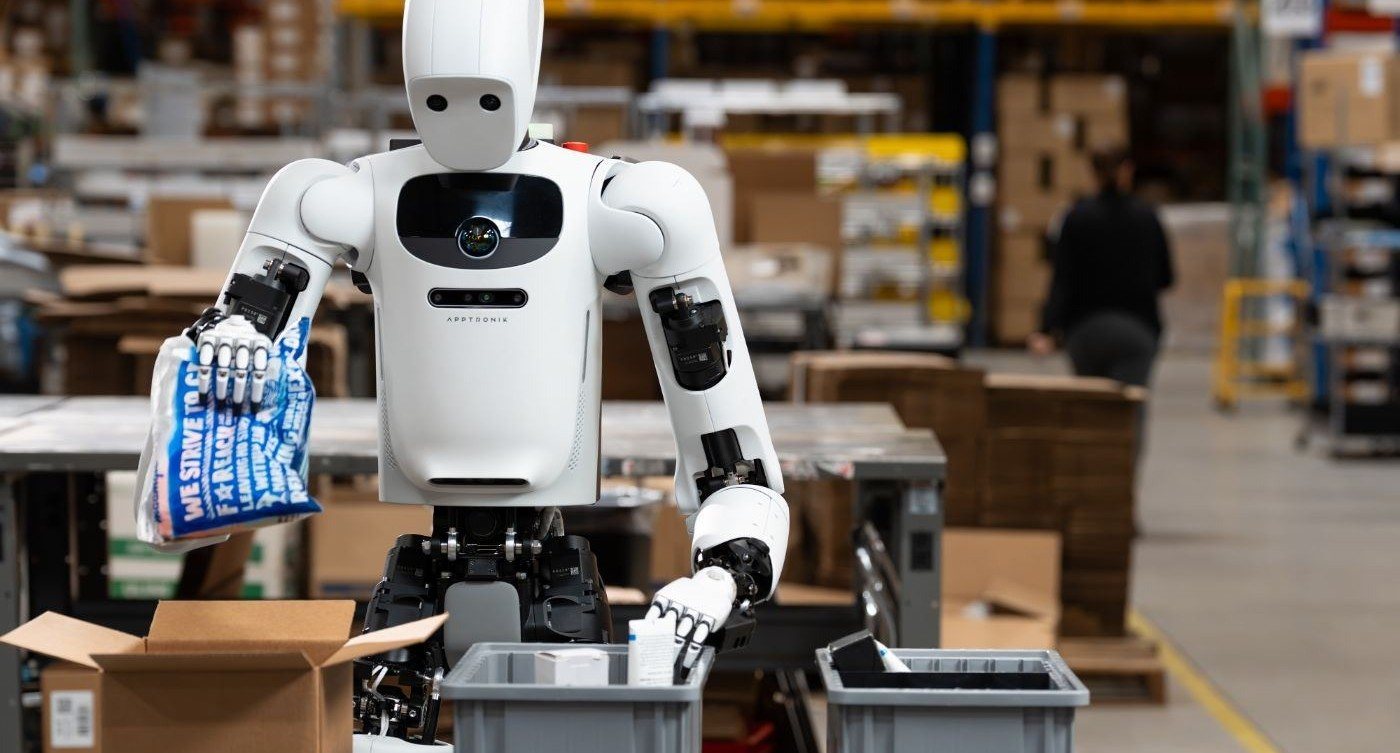
- Machines work near people in shared space
- Software updates change behavior after delivery
Why insurers care
A humanoid robot handling boxes and bins in a warehouse, with a worker in the background.
What you are seeing
Image: Apptronik
New machines widen the gap between what exists and what enablers can price. Evidence from real sites closes it.
Capital is ready.
U.S. equipment finance is large, growing and led by technology and AI equipment.
8 in 10
businesses use financing to acquire equipment
- Universal Robots offers collaborative robot leasing through DLL, with options to buy, upgrade, extend or return at the end of term
- Mitsubishi HC Capital America finances makers' as-a-service contracts, and can buy the payment stream to give the maker cash up front
- Robot dealers route customers to equipment lenders such as Ascentium, Conners Financial and U.S. Bank
Robot financing is already available
The money exists. What financiers ask for is evidence that machines will be used and will hold their value.
Insurance is moving two ways.
Standard policies are adding AI exclusions while specialists build products for AI-driven machines.
- Verisk's ISO unit published optional generative AI exclusion forms, available since 1 January 2026
- 2,369 exclusion filings were on record across 49 states by mid-2026
- Underwriters worry about overlapping lines, shared responsibility and one software update or cloud outage hitting many insureds at once
Pulling back
- Armilla AI, Chaucer, HSB and Testudo have launched standalone AI liability products
- Axis has a program for companies that make and deploy autonomous robots
- Skyward and Apollo launched the ibott autonomous vehicle program, with Marsh
Moving in
Insurers reward evidence of human oversight, geofencing, safety audits and AI governance.
Rules are being written.
Standards were reissued in 2025, and the drone rule that unlocks long-range flights is still pending.
Jan 2025
ISO 10218-1 and -2 published
Aug 2025
FAA proposes Part 108 for flights beyond visual line of sight
Sep 2025
ANSI/A3 R15.06-2025 published, adds cybersecurity
10 Jul 2026
FAA sends the final Part 108 rule to White House review
End of 2026
FAA hopes to publish the final Part 108 rule
2026-27
ISO 25785-1 for legged industrial robots expected
Rules are being set now. Pilots run today can be built to meet them.
Financing
Ways to pay for machines, who provides what, financiers and lessors, structures and underwriting, residuals, utilization and obsolescence.
Ways to pay for machines
Seven routes, the tax rules and outcome pricing.
Seven routes pay for a machine
30
Pay for capacity and outcomes, not fixed prices
33
Each route puts cost and risk in a different place
31
Warehouse robots are paid for by the task
34
Tax rules favor buying equipment in 2026
32
Seven routes pay for a machine.
Each route trades upfront cash, ownership and flexibility differently.
| Route | How it works | Who holds the machine | Typical fit |
|---|---|---|---|
| Cash purchase | The client pays in full and owns the machine. | Client | Proven task, strong balance sheet |
| Equipment loan | A lender funds the machine; the client repays with interest. | Client, with a lien to the lender | Owner who wants the asset and the tax benefit |
| Finance lease | Payments cover the machine's cost; ownership passes at the end for a small buyout. | Lessor until the end, then client | Long-lived machines used for years |
| Operating lease | The lessor keeps ownership; the client uses the machine for a term and returns it. | Lessor | Fast-changing technology |
| Robots as a service | A monthly fee covers the machine, software, support and often upgrades. | Maker or fleet owner | Clients that want to start small and scale |
| Pay per use | Charges follow picks, hours, flights or tasks completed. | Maker or fleet owner | Variable demand, outcome-based contracts |
| Vendor program | The maker offers its own or a partner's financing at the point of sale. | Varies by program | Clients that want one counterparty |
There is no single best route. The right one depends on how sure the client is of the task, the machine's life and the tax position.
Each route puts cost and risk in a different place.
The same machine can look very different on a client's books and in its risk profile.
| Route | Upfront cash | Appears as | Residual value risk | Maintenance and upgrades |
|---|---|---|---|---|
| Cash purchase | Highest | An owned asset | Client | Client or a service contract |
| Equipment loan | Low to moderate | An owned asset and a debt | Client | Client or a service contract |
| Finance lease | Low | A leased asset and a liability | Client, by the end of term | Usually client |
| Operating lease | Low | A leased asset and a liability under current lease accounting | Lessor | Often bundled or separate |
| Robots as a service | Lowest | Often an operating cost; the contract terms decide | Maker or fleet owner | Usually included |
| Pay per use | Lowest | An operating cost | Maker or fleet owner | Included |
Clients should have their finance team read the contract, because the accounting treatment follows its terms and not its label.
Tax rules favor buying equipment in 2026.
Two U.S. provisions let a business write off most or all of an equipment purchase in the year it starts using it.
- Used equipment can qualify if it is new to the buyer
- Leases and service fees follow different rules, so the route changes the tax result
- Clients should check treatment with their own tax adviser before choosing a route
What clients should know
Tax treatment can tip a client toward buying over a service fee. Atomgigs models both so the client sees the full picture.
Pay for capacity and outcomes, not fixed prices.
Contracts increasingly link what the client pays to what the machines deliver.
- 1Per unit of work
Charges follow picks, deliveries, inspections or square meters covered AutoStore offers a pay-per-pick option Fits clients with seasonal or uneven demand
- 2Per unit of capacity
A monthly fee for a set number of machines or hours Locus Robotics runs every offering as a service and owns the robots Fits clients that want certainty on cost
- 3Shared performance
The fee rises or falls with a measured result RightHand Robotics offers lease and shared-performance models Fits clients that want the maker to share the risk
- 4Bundled hardware and service
One contract covers the machine and years of support Skydio bundles drone hardware with multi-year service Fits clients that want one counterparty
Atomgigs does not quote fixed prices. The client pays for capacity and outcomes, and the contract says how both are measured.
Warehouse robots are paid for by the task.
Palletizing, unloading and picking suit pay-per-use contracts, because the work can be counted.
- Each carton or pick is a measurable unit
- Volume swings with the season
Why it fits
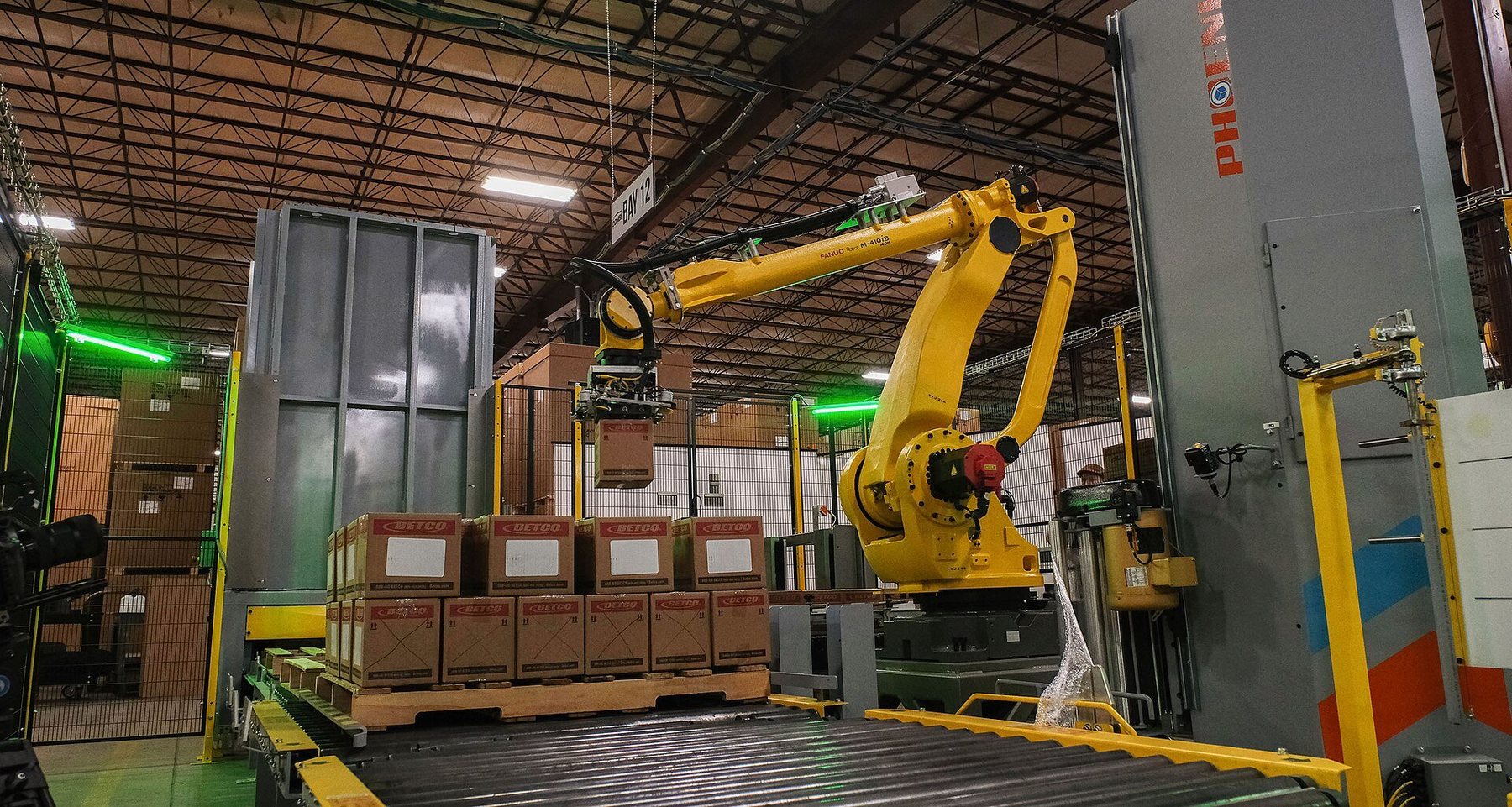
- A clear definition of a completed task
- A way to log it that both sides trust
What the contract needs
A robot palletizer stacking cases at the end of a line. Each case and each pallet is a unit that can be counted and billed.
What you are seeing
Photo: Killgore1138, CC0
Work that can be counted can be priced per unit, and the log becomes the invoice and the financier's evidence.
Who provides what
What makers offer themselves and what third parties fund.
Makers write most as-a-service contracts
36
Three ownership models sit behind the monthly fee
38
Capital sits behind the maker
37
Makers write most as-a-service contracts.
In robots as a service, the maker usually owns the fleet and the client pays a monthly fee.
- Locus Robotics offers all its robots as a service and owns every robot
- Körber's as-a-service program draws on Locus robots
- AutoStore, RightHand Robotics and Skydio sell through leases, per-use fees or bundled service
- The maker, not a third party, holds the contract with the client in most cases
What the market shows
The maker owns the service contract and the client relationship. Capital sits behind the maker.
Capital sits behind the maker.
Financiers fund the maker or buy its contract payments, so the maker can offer a monthly fee.
- 11 Financier
A lessor or lender provides capital to the maker or to the fleet. WHO DLL, Mitsubishi HC Capital
- 22 Maker
The maker builds or buys the robots and signs the service contract. WHO Locus, Skydio, others
- 33 Client
The client uses the machines and pays a monthly fee. WHO Pays for capacity
- 44 Payments
The maker collects fees and can sell the payment stream to a financier. WHO Assignment financing
Mitsubishi HC Capital America buys makers' as-a-service payment streams, which gives the maker cash up front.
Three ownership models sit behind the monthly fee.
Who owns the robots decides who carries the residual value and who handles upkeep.
- The maker keeps the robots on its books and funds them with its own capital
- Most common today
- Examples: Locus Robotics
Maker-owned fleet
- A financier funds the robots or buys the payment stream
- The maker still runs the service
- Examples: DLL, Mitsubishi HC Capital
Financier-owned or financed fleet
- An independent company owns the robots for any maker and rents them out
- Still rare
- Example: ARO, launched in December 2022
Third-party fleet owner
Atomgigs can bring a financier and a client together and structure the deal. It does not own the fleet.
Financiers and lessors
The named banks, lessors and lenders active in robotics.
Three groups of financiers fund robots
40
Collaborative robots are leased through lessors
42
Named financiers already back robotics
41
Equity funding for physical AI is accelerating
43
Three groups of financiers fund robots.
Each group has a different appetite, speed and price.
- Large leasing arms of banks and manufacturers
- DLL, Mitsubishi HC Capital America
- Dealer-routed lenders: Ascentium, Conners Financial, U.S. Bank
- Want proven machines and credit-worthy clients
Lessors and captive finance
- Lend to makers and fleets that banks pass over
- Trinity Capital, Triple Point Capital, ATEL, Horizon Technology Finance
- Combine venture debt with equipment loans
- Want contracts, a funded balance sheet and a path to revenue
Specialist and venture lenders
- Fund the makers and model developers
- Fund growth, not individual machines
- Their rounds set how fast new machines reach the market
- Want proof of repeat deployments
Equity investors
Atomgigs works with all three groups: lessors for client fleets, lenders for makers, and investors for the market they watch.
Named financiers already back robotics.
Examples of the financiers active in robotics today.
| Financier | Type | What it does in robotics |
|---|---|---|
| DLL | Lessor | Offers collaborative robot leasing for Universal Robots with options to buy, upgrade, extend or return |
| Mitsubishi HC Capital America | Lessor | Finances makers' as-a-service contracts and buys the payment streams |
| Ascentium, Conners Financial, U.S. Bank | Dealer-routed lenders | Finance robot purchases that dealers route to them |
| Trinity Capital | Venture and equipment lender | Provides venture debt and equipment financing to growth companies |
| Triple Point Capital | Equipment lender | Makes equipment loans, including to robotics companies |
| ATEL | Lessor and venture lender | Leases equipment and lends to ventures; financed a Verdant Robotics project |
| Horizon Technology Finance | Venture lender | Lends to venture-backed technology companies |
These names show the kinds of capital available. Terms depend on the client, the machine and the contract.
Collaborative robots are leased through lessors.
Smaller robot arms are an established leasing asset.
- Mature product with a known resale market
- Short, repeatable tasks with clear payback
Why lessors like them
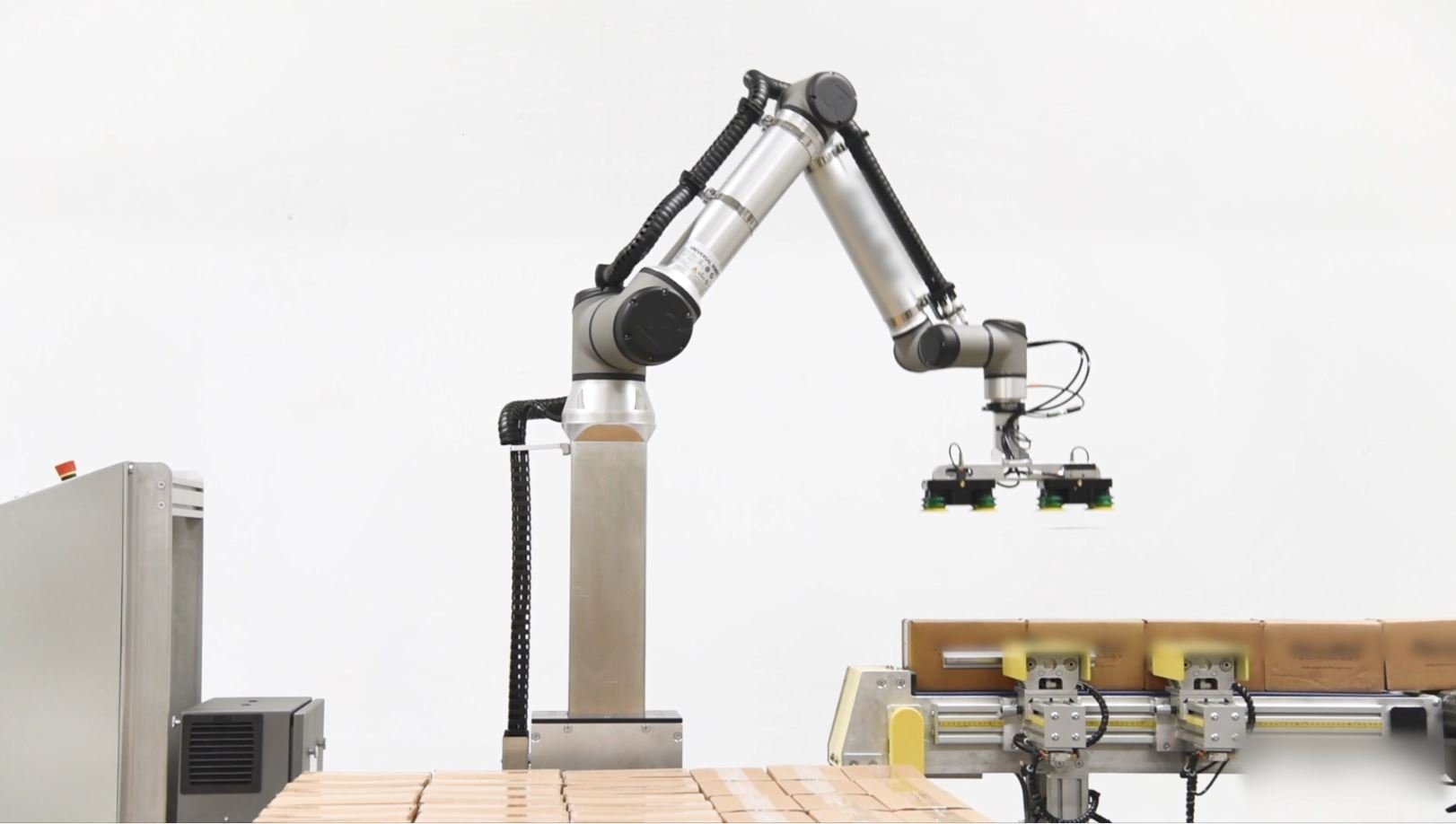
- Buy, upgrade, extend or return at the end of term
- DLL offers this for Universal Robots
Lease options
A collaborative-robot palletizer on a mobile frame, which its maker also offers as robots-as-a-service: a monthly fee instead of a purchase.
What you are seeing
Photo: CollaborativePalletizer, CC BY-SA 4.0
Collaborative arms show how a mature robot category gets financed. Newer categories follow the same path as evidence builds.
Equity funding for physical AI is accelerating.
Robotics startups raised more than $27B in January to September 2026, already above any prior full year.
~$15B
Robotics startup funding in 2025, the previous record (Crunchbase)
- Skild AI raised $1.4B, bringing its total to more than $2B
- Apptronik added a $520M extension, taking its Series A to $935M, at a valuation above $5B (February 2026)
- Physical Intelligence raised $600M in a Series B at $5.6B (November 2025)
- Humanoid (UK) raised $152M in a Series A at $1.35B (July 2026)
- Skydio raised $110M at $4.4B (April 2026); Zipline raised $600M (January 2026)
Recent large rounds
Equity funds the makers. Debt and leases fund the machines. Both are growing, and each asks for deployment evidence.
Structures and underwriting
How deals are built and what lenders check.
Five structures fund a fleet
45
Contract terms decide who carries the risk
47
Lenders check six things before they fund
46
Five structures fund a fleet.
The structure sets who owns the robots, who carries the risk and how the financier gets repaid.
- Lender funds the purchase and takes a lien on the machine
- Client owns the machine from day one
Equipment loan
- Lessor owns the machine until the end of term
- Client buys it for a small amount at the end
Finance lease
- Lessor owns the machine and bears resale risk
- Client can return, renew or upgrade
Operating lease
- Maker sells its contract payments to a financier
- Maker gets cash up front, financier gets the income
Payment-stream sale
- Loan to a maker or fleet owner, often with warrants
- Funds growth between equity rounds
Venture debt
Atomgigs helps a client choose the structure that fits the task, the machine's life and the client's balance sheet.
Lenders check six things before they fund.
The checks are the same whether the money comes from a bank, a lessor or a venture lender.
| They check | Because | Evidence that helps |
|---|---|---|
| Client credit | The client's payments repay the loan | Financial statements, contract commitment |
| Machine value | The machine is the collateral | Maker track record, resale market, condition records |
| Utilization | Idle machines do not earn or repay | Pilot logs of hours worked and tasks completed |
| Maker strength | The maker supports and updates the machine | Funding, service coverage, spare parts plan |
| Insurance and safety record | Accidents can stop operations and destroy value | Policies, risk assessments, incident logs |
|---|---|---|
| Contract terms | Terms decide who pays when something fails | Service levels, indemnities, end-of-term options |
The same pilot data answers all six checks. That is why Atomgigs designs pilots to capture it from day one.
Contract terms decide who carries the risk.
Counsel for funders and clients focus on a short list of terms.
| Term | Question to answer |
|---|---|
| Liens and security | Which party holds a claim on the machine, and does it cover software and data? |
| Lease or loan | Is this a true lease or a financing in disguise, and who is treated as owner? |
| Service levels | What uptime is promised, and what happens when it is missed? |
| Software updates | Who may change the software, and who pays if an update causes a loss? |
| End of term | Can the client return, buy, renew or upgrade, and at what price basis? |
| Default and recovery | Can the financier take the machine back, and who can operate it? |
A law firm reviewing robotics funding flagged liens, lease versus loan, and end-of-term options as the points that matter most (October 2026).
Residuals, utilization and obsolescence
The three risks that set the price.
Three risks set the price of money
49
End-of-term options protect both sides
50
Three risks set the price of money.
Residual value, utilization and obsolescence are what financiers worry about most.
- What the machine is worth at the end of the term
- Few resale markets exist for newer robot types
- Lessors price this risk into the payment
Residual value
- How many hours the machine works
- Idle machines cannot repay
- Pilot data is the best predictor
Utilization
- New models can make older ones less useful
- Software updates can extend or shorten a machine's life
- Shorter terms and upgrade rights limit the exposure
Obsolescence
Operating evidence reduces all three. A financier can price a machine with a logged record better than one with a promise.
End-of-term options protect both sides.
Leases written for robots usually give the client four choices when the term ends.
- 1Buy
The client pays an agreed price and keeps the machine. BEST WHEN Fits stable tasks
- 2Renew
The client extends the lease, often at a lower payment. BEST WHEN Fits steady use
- 3Upgrade
The client swaps for a newer model and starts a new term. BEST WHEN Fits fast-moving technology
- 4Return
The client hands the machine back and the lessor remarkets it. BEST WHEN Fits uncertain demand
DLL's collaborative robot program offers all four. Atomgigs helps clients pick the option that fits the task.
Drone and fleet financing
Financing aircraft, equipment and mixed fleets.
Drone financing mixes hardware, service and cover
52
Heavy equipment is familiar to lenders
54
Drone makers are raising large amounts
53
Drone financing mixes hardware, service and cover.
Drone makers and operators use four models, often combined.
| Sell with financing | Volatus Aerospace | A financing program through a partner lets clients finance any hardware |
|---|---|---|
| Model | Example | How it works |
| Hardware plus multi-year service | Skydio | The client buys drones bundled with years of service and support |
| Lease with insurance | senseFly (earlier program) | A lease and insurance bundle for terms of up to 36 months |
| Sell, lease or operate | Skyways | The same company sells the drone, leases it, or flies it for the client |
For clients that do not want to own aircraft, flying as a service moves the machine and the regulatory burden to the operator.
Drone makers are raising large amounts.
Capital is flowing into companies that build and fly drones at commercial scale.
- Makers with strong funding can offer service contracts and absorb support costs
- Lenders favor makers with repeat customers and recurring service revenue
- Insurers and regulators will see more drones in more places, and want more data
What this means for enablers
More funded makers mean more fleets that need financing, cover and approvals.
Heavy equipment is familiar to lenders.
Autonomy on construction machines brings fleet financing closer to an existing market.
- Construction equipment has an established used market
- Autonomy adds software that changes how the machine earns
Why lenders care
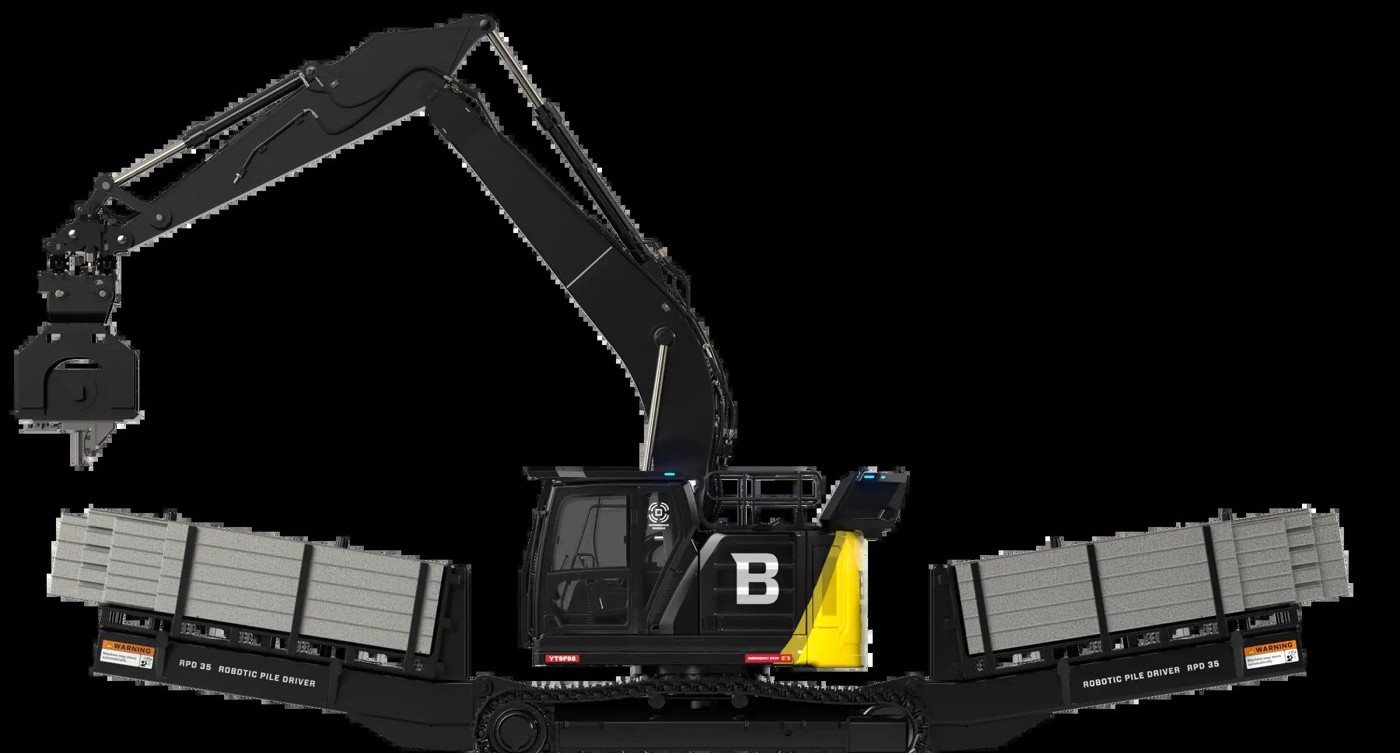
- Hours worked per week and tasks completed
- Who is liable if an autonomous machine causes damage
- How software updates are controlled
What they will ask
An autonomous excavator or pile driver of the kind built by Built Robotics, working a construction site. The machine looks like conventional heavy equipment.
What you are seeing
Image: Built Robotics
Construction fleets can be financed like other heavy equipment once utilization and safety data exist.
How pilots and data de-risk
Turning a pilot into something a financier can fund.
A pilot becomes a financeable fleet in five steps
56
How Atomgigs works with financiers
58
A financier asks for six kinds of data
57
A pilot becomes a financeable fleet in five steps.
Each step creates the evidence the next party asks for.
- 11 Scope
Define the task, the site and the measure of success. OUTPUT Signed pilot plan
- 22 Run
Operate the machines with trained people in the lead. OUTPUT Operating log
- 33 Measure
Track hours, tasks completed, stops and incidents. OUTPUT Utilization report
- 44 Package
Combine results, safety records and contract terms. OUTPUT Financing package
- 55 Structure
Match the client and the machines to a financier. OUTPUT Term sheet
A financier funds a machine with a logged record faster than one with a forecast.
A financier asks for six kinds of data.
A well-run pilot captures all six.
| Data | Why it matters | Where it comes from |
|---|---|---|
| Hours worked | Shows the machine earns its keep | Fleet software logs |
| Tasks completed | Links cost to the work done | Site systems and robot logs |
| Downtime and causes | Shows reliability and support quality | Maintenance records |
| Safety events | Shows the risk of loss or stoppage | Incident log, near-miss reports |
| Operator and supervisor hours | Shows the true labor cost of the machine | Shift records |
|---|---|---|
| Condition at end of pilot | Supports residual value estimates | Inspection reports |
Atomgigs sets up data capture before the pilot starts, so the package is ready when the financier asks.
How Atomgigs works with financiers.
Atomgigs structures the deal and supplies the evidence. Financiers supply the capital.
- 1Brings parties together
Introduces financiers to clients with funded pilots Acts in a structuring role, not a lending role
- 2Supplies the evidence
Utilization, downtime and safety data from pilots Risk assessments and operating records
- 3Stays vendor-neutral
Works across makers, so the financier sees options Helps match machines to the client's task
- 4Keeps humans in the lead
People supervise the machines in every pilot Procedures, training and records are part of the package
Financiers get a clearer view of what they fund. Clients get terms that reflect what the machines actually do.
Insurance and risk
The risk picture, lines of cover, silent AI and exclusions, specialist AI and robotics cover, insurers and brokers, what underwriters ask for.
The risk picture
Where human-machine risk comes from and who is exposed.
Risk can sit with four parties
61
Failures at scale are already visible
64
Robots go where people are most exposed
62
Risk can sit with four parties.
When a machine causes a loss, responsibility may fall on any link in the chain.
- 1Manufacturer
Designs and builds the machine Exposed to product defects and recalls Buys product liability and recall cover
- 2Software developer
Writes the AI models and control software Exposed to wrong decisions and faulty updates Buys technology errors and cyber cover
- 3Integrator
Fits the machine to the site and the task Exposed to design and installation errors Buys professional and general liability
- 4Operator (client)
Runs the machine and supervises it Exposed to injury, damage and downtime Buys general liability, property and workers' comp
The contract chain decides who pays. Atomgigs helps clients check that indemnities match the way the work is really shared.
Robots go where people are most exposed.
The case for sending a machine is often the hazard, and the hazard shapes the risk.
- Fewer people enter dangerous areas
- Inspection data is captured the same way each time
The upside
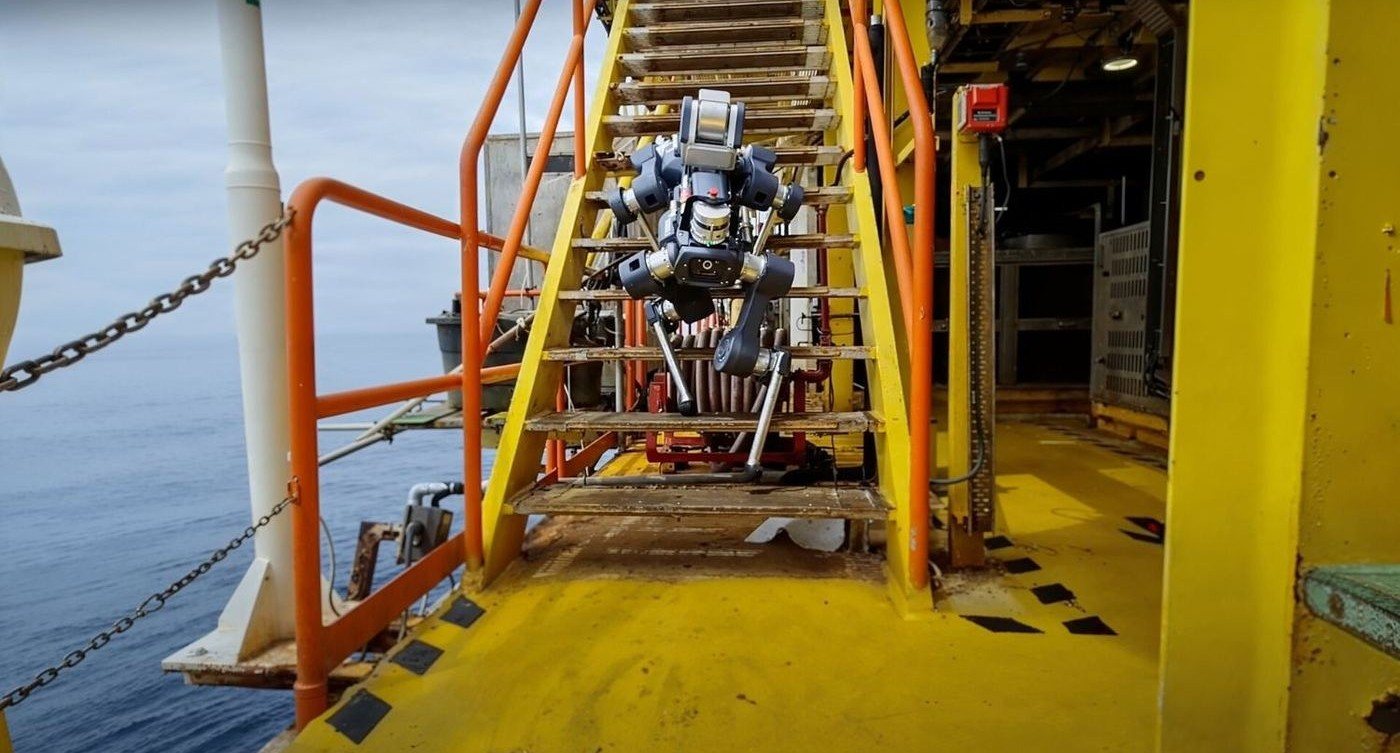
- A fall or a collision can damage the machine and the asset
- Insurers ask who supervises it and what it may touch
The new exposure
A legged robot climbing steel stairs on an offshore platform.
What you are seeing
Image: ANYbotics
The question for insurers is whether the new risk is smaller than the one it replaces, and who is accountable.
An oil refinery seen from the air.
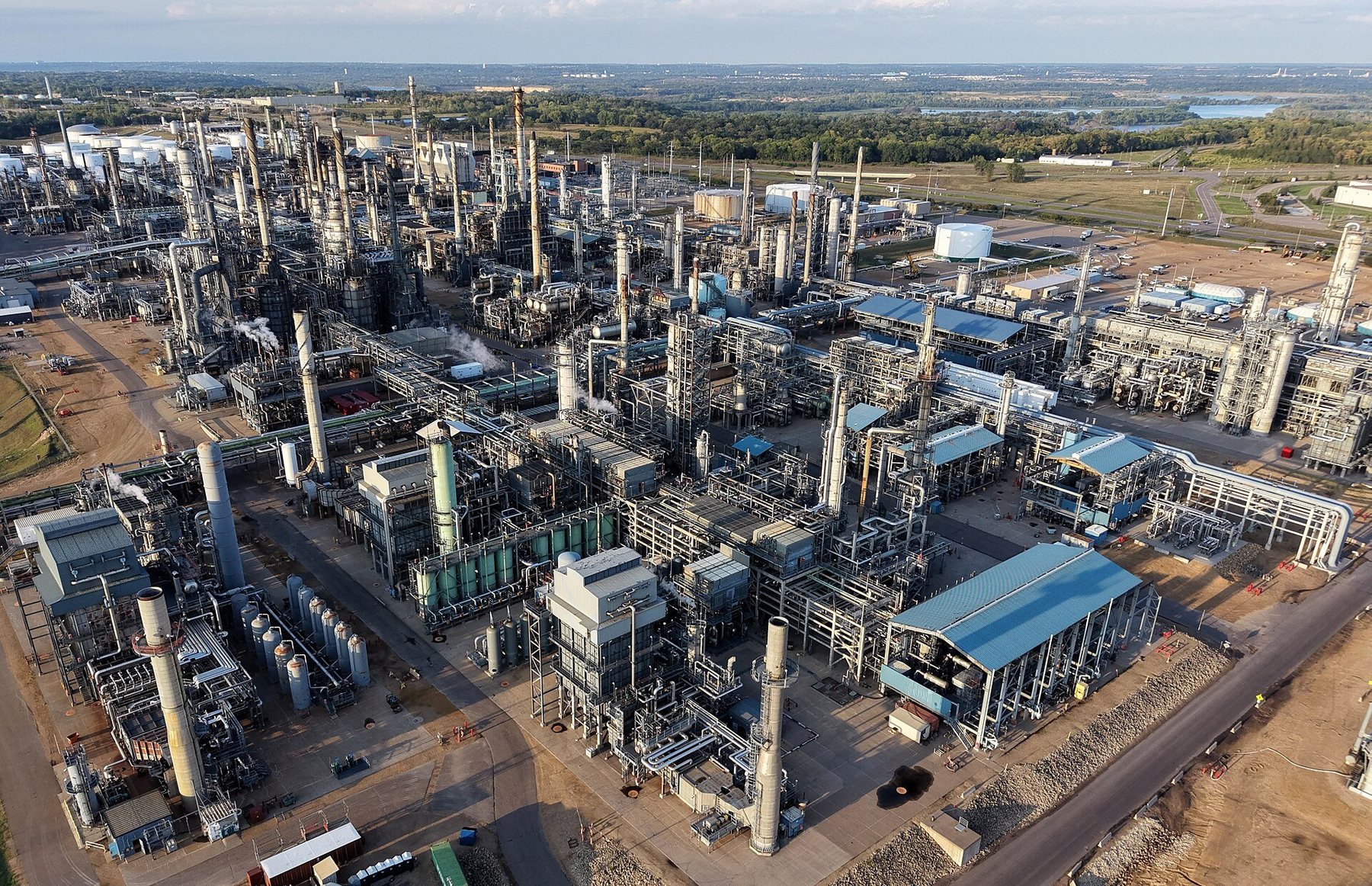
- Process units, piping, tanks and stacks spread over hundreds of acres at a U.S. refinery.
- Inspection rounds here cover heat, height, pressure and gas exposure.
- Sites like this are where legged and crawler robots take on rounds first, and where insurers look hardest at who controls them.
Photo: Tylervigen, CC BY 4.0
Failures at scale are already visible.
Recalls and early insurance products show the market is reacting to real events.
Aug 2026
Insurance broker WTW published a guide to insuring physical AI
- Trade press reports that insurers are not yet ready for warehouse robots
- Liability may sit with the manufacturer, the software developer, the integrator or the operator
- The main lines affected are general liability, product liability and cyber
What the market is saying
Insurers are learning from early losses. Clients who bring evidence of safe operation get better terms.
Lines of cover
Liability, product, cyber, workers' comp, property and aviation.
Six lines of cover touch a robot deployment
66
Drone cover is priced by the hour or by the year
67
Six lines of cover touch a robot deployment.
Most losses will fall under policies the client already holds, so the wording matters.
| Line | What it covers | How it applies to robots |
|---|---|---|
| General liability | Injury or damage to third parties | Covers a machine that hurts a visitor or damages a neighbor's property, unless an exclusion applies |
| Product liability | Harm caused by a defective product | Held by the maker; the client needs to know it exists |
| Technology errors and omissions | Failure of software or services | Covers wrong decisions by the software or the platform |
| Cyber | Data loss, ransomware, system damage | Covers hacked machines and stolen data; physical damage may need extensions |
| Workers' compensation | Injury to employees | Applies when a worker is hurt near a machine |
| Property and equipment breakdown | Damage to the machine and the site | Covers the robot itself and downtime after a failure |
Clients should ask their broker how each policy treats AI-driven machines before the pilot starts.
Drone cover is priced by the hour or by the year.
Drone insurance is a mature, specialist market with clear price points.
~$10
Per hour for on-demand $1M liability cover
- Global Aerospace underwrites programs sold through SkyWatch.AI and Verifly
- Some hull programs are open only to pilots certified under FAA Part 107
- The drone insurance market is estimated at $1.57B in 2025, growing to $4.10B by 2035
Good to know
Typical ballpark values from public sources, not quotes.
Drone cover is available today. The harder questions are for larger aircraft and flights beyond visual line of sight.
Silent AI and exclusions
What the new exclusions mean for robot operators.
Silent AI hides in old policies
69
Three questions find the gaps
70
Silent AI hides in old policies.
Silent AI is risk from AI that a policy neither covers nor excludes by name.
1 Jan 2026
Optional exclusion forms CG 40 47, CG 40 48 and CG 35 08 became available to U.S. liability insurers
- A general liability policy with a generative AI exclusion may not respond to a loss caused by AI software
- Wording varies, so the same event can be covered under one policy and excluded under another
- Insurers are moving from silence to explicit terms
Why it matters for robots
Clients should find out now whether their policies exclude AI, and whether the exclusion reaches robotics.
Three questions find the gaps.
Brokers and risk managers can use this checklist before a pilot starts.
Does the general liability or umbrella policy carry a generative AI exclusion, and does it reach robotics?
Exclusion forms CG 40 47, CG 40 48 and CG 35 08 may apply to AI-driven machines
Question
Why it matters
Who bears liability for a loss caused by software?
The maker, the developer, the integrator and the operator may each point to another
Does the contract indemnity reflect the chain of responsibility?
A gap between the contract and the policies leaves the client exposed
Answers to these three questions shape which specialist cover, if any, a client needs.
Specialist AI and robotics cover
The new products and the firms behind them.
Specialist AI and robotics cover is arriving
72
Affirmative cover names the risk
73
Specialist AI and robotics cover is arriving.
Insurers, Lloyd's coverholders and specialist managing agents have launched products for AI-driven machines.
| Provider | Product or program |
|---|---|
| Armilla AI, with Chaucer | Standalone AI liability that names AI risk, with limits up to $25M per insured |
| Testudo | AI liability cover with $9.25M of capacity, backed by Atrium and QBE |
| HSB | AI liability product for insured businesses |
| Munich Re and AXA XL | AI insurance products for technology and corporate clients |
| Axis | Program for companies that make and deploy autonomous robots |
| Skyward and Apollo, with Marsh | ibott program for autonomous vehicles |
| China Pacific | "Ji Zhi Bao" policy covering a robot across its life, launched in 2025 |
These products are new. Limits, wording and pricing are still being set, and each insurer asks for evidence of governance and safety.
Affirmative cover names the risk.
Specialist products differ from a standard policy in three ways.
- Wording names AI-driven decisions and errors
- Removes doubt about silent AI
It says AI is covered
- Underwriters expect in-depth review of AI governance and controls
- Expect questions on testing, monitoring and human oversight
It asks for governance
- Often an addition to general liability, cyber and product cover
- Limits are separate and may be lower
It sits beside the core program
Specialist cover works best when the client can show how people supervise the machine and how incidents are handled.
Insurers and brokers
Named carriers, specialists and brokers by group.
Four kinds of insurer and broker serve physical AI
75
Four kinds of insurer and broker serve physical AI.
Named examples by group. Presence on the list is not an endorsement.
| Global carriers and reinsurers | Swiss Re, Munich Re, AXA XL, AIG, Tokio Marine, Berkshire Hathaway (General Re), Axis, Lloyd's syndicates | Write liability, property and cyber; reinsure the specialists |
|---|---|---|
| Group | Examples | Role |
| Aviation and drone insurers | Global Aerospace, Starr, Allianz Commercial, AIG Aerospace, Old Republic, Avion | Cover aircraft, payload and liability |
| On-demand and program providers | SkyWatch.AI, Verifly, Thimble, Flock | Sell short-term or per-flight drone cover |
| Brokers | Marsh, WTW, BWI Aviation, Founder Shield, Transport Risk Management | Place cover, negotiate wording, advise on structure |
A broker who knows robotics matters as much as the insurer, because wording and placement drive the outcome.
What underwriters ask for
The evidence pack that wins cover.
Underwriters ask for evidence of control
77
Underwriters ask for evidence of control.
Insurers reward evidence of human oversight, safe zones, audits and AI governance.
| They ask | What answers it |
|---|---|
| Who supervises the machines? | Named supervisors, shift plans, escalation steps |
| Where can the machines go? | Geofences, safe zones, exclusion areas, site map |
| What happens when something fails? | Emergency stop, safe state, incident plan, staff training |
| How are updates controlled? | Staged roll-out, approval steps, rollback plan, version log |
| How is AI governed? | Policy, testing records, monitoring, named accountable person |
| What is the record? | Hours run, incidents, near misses, audits and corrective action |
A single evidence pack, built during the pilot, answers most of what an underwriter asks.
Accumulation and fleet risk
When one update can affect many machines at once.
One update can reach every machine
79
Controls limit how far a fault spreads
80
One update can reach every machine.
Machines that share software share failures, so losses can arrive together.
- 11 Update
The maker or platform releases new software. RISK Looks routine
- 22 Push
The update goes to the fleet, sometimes all at once. RISK Speed raises exposure
- 33 Fault
A flaw or an attack affects many units. RISK Correlated risk
- 44 Claims
Several clients and policies are hit at the same time. RISK Accumulation
Reinsurers warn that a faulty software update or a cyberattack can hit many units at once.
Controls limit how far a fault spreads.
Insurers look for the same five controls in a fleet deployment.
- Update a few units first and watch
- Widen only when results are clean
Staged roll-out
- Machines stop safely when a fault is found
- Humans can take over
Safe-state design
- Machine networks apart from office systems
- Limits the reach of an attack
Network separation
- Do not depend on a single supplier for every task
- Spreads software risk
Vendor mix
- Agreed liability caps and indemnities
- Notice duties when an update goes wrong
Clear contract limits
Atomgigs builds these controls into the operating plan, so the insurer can see them.
How Atomgigs lowers risk
The operating model, mapped to underwriter questions.
Inspection robots can lower exposure
82
Atomgigs practices map to underwriter questions
83
Inspection robots can lower exposure.
Sending a machine into a hazardous space can reduce human exposure, if the machine is controlled.
- Fewer people enter hot, high or confined areas
- Regular inspection data supports maintenance planning
Where risk falls
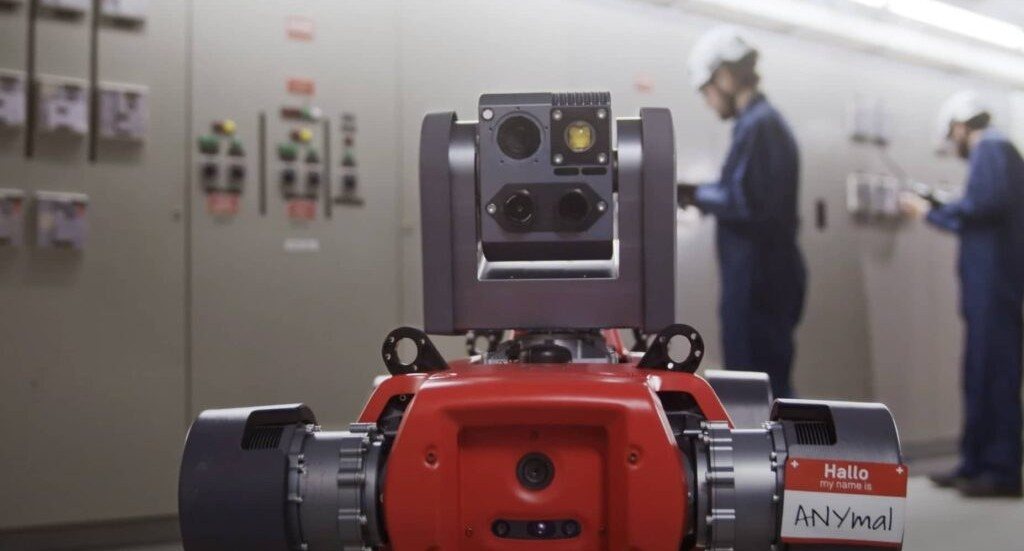
- A moving machine near workers needs clear rules
- Software faults and cyber events become new causes of loss
Where risk rises
A four-legged ANYmal inspection robot beside electrical switchgear, with workers nearby in a facility.
What you are seeing
Image: ANYbotics
The insurer asks whether the new risk is smaller than the one it replaces. Evidence from a pilot answers that.
Atomgigs practices map to underwriter questions.
Humans in the lead, physical AI in the loop.
Who is in charge?
Trained people supervise every deployment and can stop the machines
Underwriter question
Atomgigs practice
Is the task suited to the machine?
Site assessment and task scoping before the pilot
How is safety proven?
Risk assessment, procedures, training and audit records
Can the loss history be seen?
Incident and near-miss logs shared with the insurer
Who else is involved?
Contract chain mapped across maker, integrator, platform and client
Insurers see a plan, a record and a named owner. That is what moves price and appetite.
Software and AI platforms
The software stack, operating systems and middleware, fleet management, simulation and digital twins, AI models for robots, data and model operations.
The software stack
Seven layers from models to site systems.
Seven layers of software run a deployment
86
Platform buyers ask four questions
87
Seven layers of software run a deployment.
Each layer has its own vendors, standards and risks.
1 Site systems
2 Fleet management
3 Robot operating software
4 AI models
5 Simulation
6 Data and model operations
Software is where a deployment is won or lost. Atomgigs chooses the stack to fit the site and does not favor one vendor.
Platform buyers ask four questions.
Software vendors and their investors look for the same proof as financiers and insurers.
- 1Does it work on a real site?
Evidence beyond demonstrations Hours run and tasks completed
- 2Does it fit with what we have?
Open interfaces and standards Links to site systems and other makers' machines
- 3Is it safe and secure?
Safety case and security controls Update control and rollback
- 4Does it scale?
From one machine to a fleet Support and monitoring at volume
Atomgigs pilots give platform vendors a real site, real operators and real data.
Operating systems and middleware
ROS 2, vendor stacks and edge computing.
Machines run on open and vendor-specific stacks
89
Open stacks and maker stacks trade off differently
91
Autonomy can be added to existing machines
90
Machines run on open and vendor-specific stacks.
The operating layer connects sensors, motors and planning software.
- 1ROS 2
Open-source robot middleware used widely in research and industry Large developer community Not a safety system by itself
- 2Maker stacks
Closed software from the robot maker Tested with the hardware Harder to mix with other makers' machines
- 3Edge computing
Onboard computers such as NVIDIA Jetson Thor run AI models on the machine Keeps decisions fast and local
- 4Safety controller
A separate, certified layer that stops the machine Does not depend on the AI model
Atomgigs keeps the safety layer separate from the AI layer, which is what safety standards and insurers expect.
Autonomy can be added to existing machines.
A retrofit kit adds sensors and software to conventional heavy equipment.
- Software now controls the machine
- Updates and logs matter as much as the iron
What changes
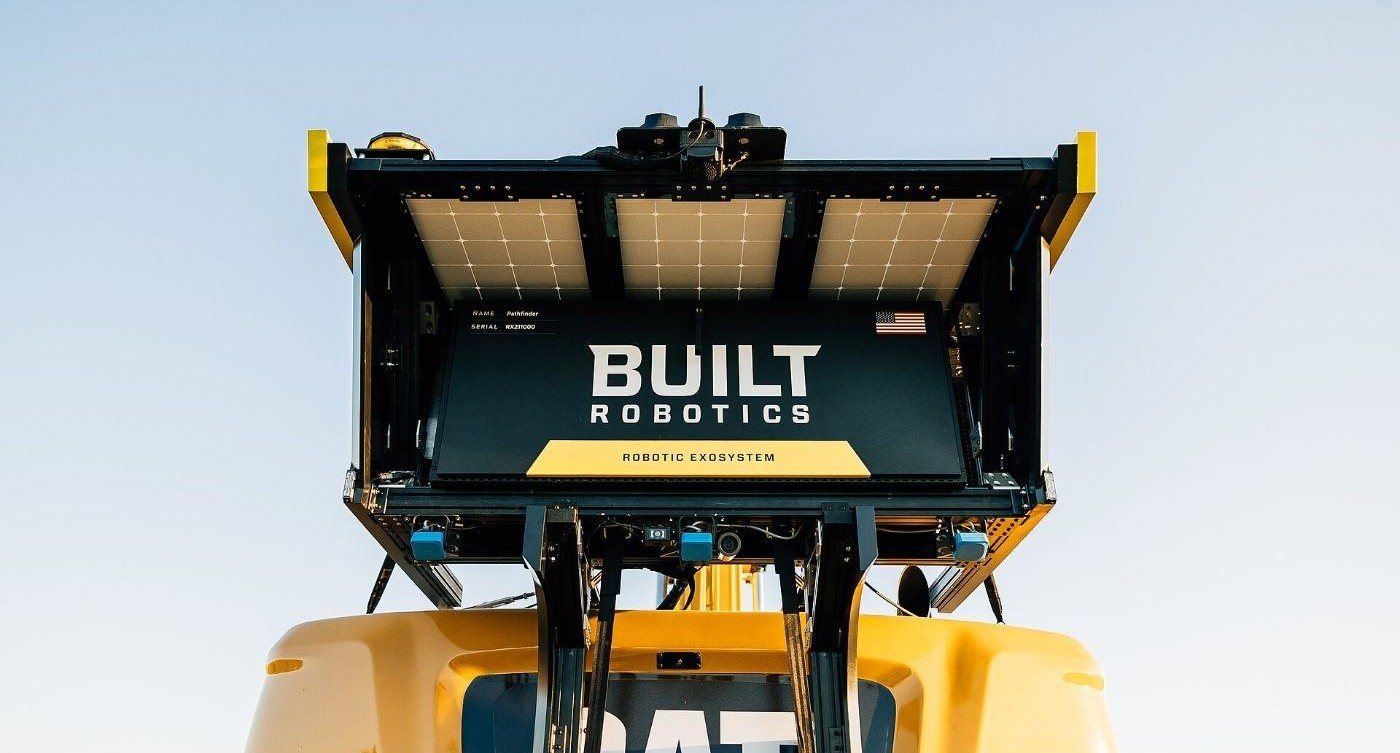
- The base machine, its owner and its lender
- Site safety rules and human supervision
What stays the same
An autonomy kit mounted on an excavator, with its sensors and compute above the cab.
What you are seeing
Image: Built Robotics
Retrofits split the stack between the machine maker and the software maker, so contracts must say who is responsible for what.
Open stacks and maker stacks trade off differently.
Neither is better in every case.
| Flexibility | High; mix machines and components | Lower; tied to one maker |
|---|---|---|
| Question | Open stack (for example ROS 2) | Maker stack |
| Support | Community plus integrators | Maker supports one product |
| Integration effort | More work for the integrator | Less work, less choice |
| Safety and security | Added and tested by the integrator | Tested by the maker for its own system |
| Switching later | Easier | Harder |
Atomgigs weighs these trade-offs for each client and documents the choice.
Fleet management
Assigning, tracking and updating many machines.
Fleet software keeps many machines working as one
93
VDA 5050 is an interface, not a brain
95
Fleet software manages mobile robots
94
Fleet software keeps many machines working as one.
A fleet platform turns a group of robots into a managed service.
- 1Assign
Gives tasks to the right machine Balances work across the fleet
- 2Monitor
Shows location, battery, faults and status Raises alerts to a human
- 3Update
Pushes software in stages Rolls back if something fails
- 4Record
Logs hours, tasks and incidents Feeds the data financiers and insurers ask for
The fleet platform is also the source of the evidence for every other enabler.
Fleet software manages mobile robots.
Autonomous mobile robots are the most common machines run by fleet platforms.
- Assigns jobs and routes
- Shows status, faults and battery
What the platform does
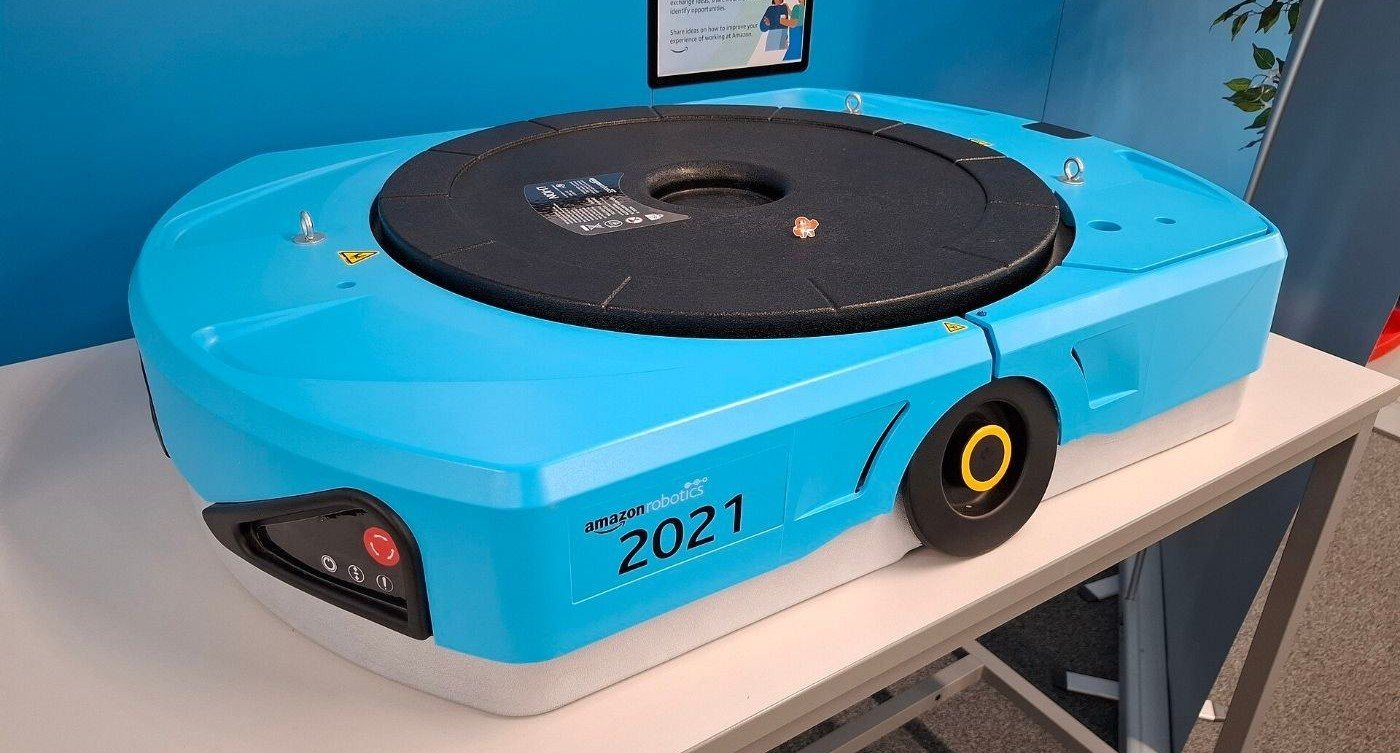
- Hours and tasks completed
- Stops and incidents
What it records
An autonomous mobile robot of the type used to move goods in warehouses and factories.
What you are seeing
Photo: Auledas, CC BY 4.0
The same log that runs the fleet also feeds the lender, the insurer and the safety file.
VDA 5050 is an interface, not a brain.
One shared language lets a master control system direct robots from different makers.
- A standard from the German automotive and machinery associations VDA and VDMA
- Uses MQTT messaging
- Defines how orders and states pass between a controller and a vehicle
What it is
- It does not decide how a robot navigates or avoids people
- It does not replace safety systems
What it is not
- Master control platforms such as InOrbit
- Makers of automated guided vehicles and mobile robots
Who uses it
Support for open interfaces such as VDA 5050 is a practical test of whether a platform will mix with other makers.
Simulation and digital twins
Testing a deployment before it reaches the site.
Simulation lets teams test before the site
97
Simulation tools are mature
98
Simulation lets teams test before the site.
Virtual testing is cheaper and safer than learning on a live floor.
- 1Layout and flow
Test aisle widths, routes and handoffs Find bottlenecks before purchase
- 2Safety scenarios
Rehearse rare events, such as a person stepping into a path Check stopping distances
- 3Training data
Generate varied images and scenes for AI models Fill gaps real data cannot cover
- 4Digital twin
A live virtual copy of the site Shows how a change would affect the whole operation
Simulation does not replace a live pilot, but it narrows what the pilot has to prove.
Simulation tools are mature.
Typical tools by use.
| Isaac Sim | NVIDIA | Photorealistic robot simulation and synthetic data |
|---|---|---|
| Tool | Maker | Used for |
| Cosmos | NVIDIA | World models that generate varied training scenes |
| MuJoCo | Google DeepMind | Fast physics for robot learning research |
| Gazebo | Open Robotics community | Open-source simulation that works with ROS |
Atomgigs uses simulation to shorten pilots and to build the safety case.
AI models for robots
Foundation models and where they are proven.
Foundation models are reaching robots
100
Models propose; people and safety systems lead
101
Foundation models are reaching robots.
Large models trained on many tasks now guide perception and action in machines.
| Model or company | Approach |
|---|---|
| Physical Intelligence (π0, π0.5) | General-purpose models for robot control |
| Google DeepMind Gemini Robotics | Models offered to builders through an API |
| NVIDIA Isaac GR00T | Open models for humanoid robots; version N1.7 is licensed for commercial use |
| Skild AI (Skild Brain) | One model for many robot bodies |
| Microsoft Rho-alpha | A vision-language-action model for robot manipulation |
| Figure AI, Intrinsic | Humanoid and industrial robot AI developers |
The models are advancing fast. Evidence from real sites, not demonstrations, is what financiers and insurers still ask for.
Models propose; people and safety systems lead.
How enablers think about AI models inside a machine.
- Recognize objects and scenes
- Follow natural-language instructions
- Adapt to variation in a task
What models do well
- Behavior can change with new data or updates
- Failures can be hard to explain
- Performance on a demo may not hold on a busy site
Where care is needed
- How was the model tested for this task?
- What stops the machine if the model is wrong?
- Who approves a model update?
What enablers ask
Humans in the lead, physical AI in the loop: the model proposes, a safety layer and a person decide when it matters.
Data and model operations
Capturing, labeling, training and monitoring.
Every site visit produces data
103
Data and model operations form a loop
104
Every site visit produces data.
A legged robot walking a construction site captures images, maps and sensor readings.
- Images and 3D scans of progress
- Machine health and location logs
What gets captured
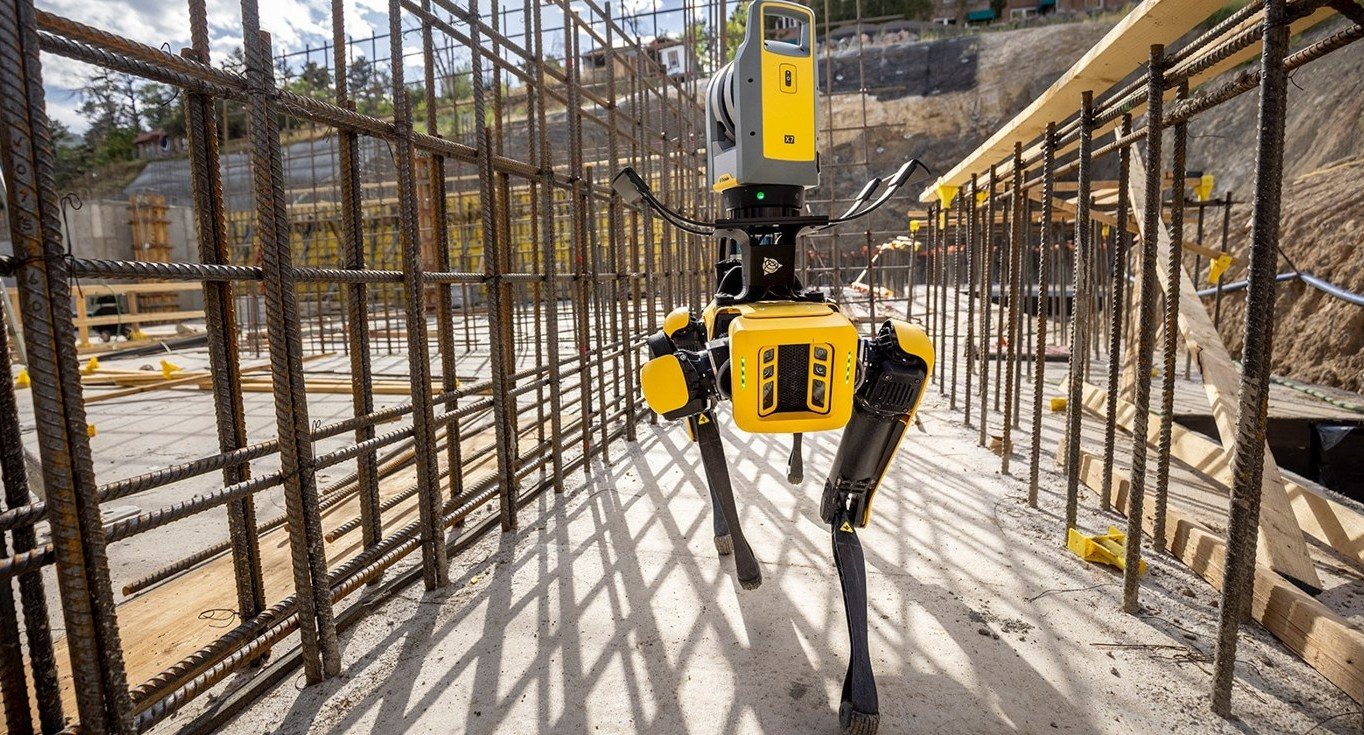
- Data improves the models over time
- Records support safety, insurance and finance
Why it matters
A legged Spot robot on a construction site with rebar, the kind of mobile inspection robot used for site capture.
What you are seeing
Image: Trimble
Data is the asset that grows with every deployment. Atomgigs plans for its capture, use and ownership from the start.
Data and model operations form a loop.
Capture, label, train and monitor, then repeat.
- 11 Capture
Sensors and logs record what happened. OUTPUT Raw data
- 22 Label
People mark what the data shows. OUTPUT Training sets
- 33 Train
Models are updated and tested in simulation. OUTPUT New version
- 44 Release
The update goes to a few machines, then the fleet. OUTPUT Staged roll-out
- 55 Monitor
Performance and incidents are watched. OUTPUT Feedback
A clean loop with human approval at the release step is what insurers and safety teams want to see.
Integration with site systems
Linking machines to warehouse, plant and building systems.
Machines must connect to site systems
106
Layout robots link to the building model
107
Machines must connect to site systems.
Integration is where many pilots stall.
| Warehouse and inventory systems | Orders, locations and stock levels | Application interfaces and middleware |
|---|---|---|
| Site system | What the machine needs from it | Common link |
| Plant and production systems | Machine states and schedules | OPC UA, including the VDMA 40010 robotics specification |
| Building and project software | Drawings, models and schedules | Procore, Autodesk, Trimble, Bentley interfaces |
| Fleet and mobile robot control | Orders and vehicle state | VDA 5050 |
| Identity and access | Who may operate or approve | Directory services and role-based access |
Open standards reduce integration cost. Atomgigs favors them and documents any exceptions.
Layout robots link to the building model.
On a job site, machines take their instructions from project software.
- Plans from the building model become marks on the floor
- Progress flows back into project software
The link
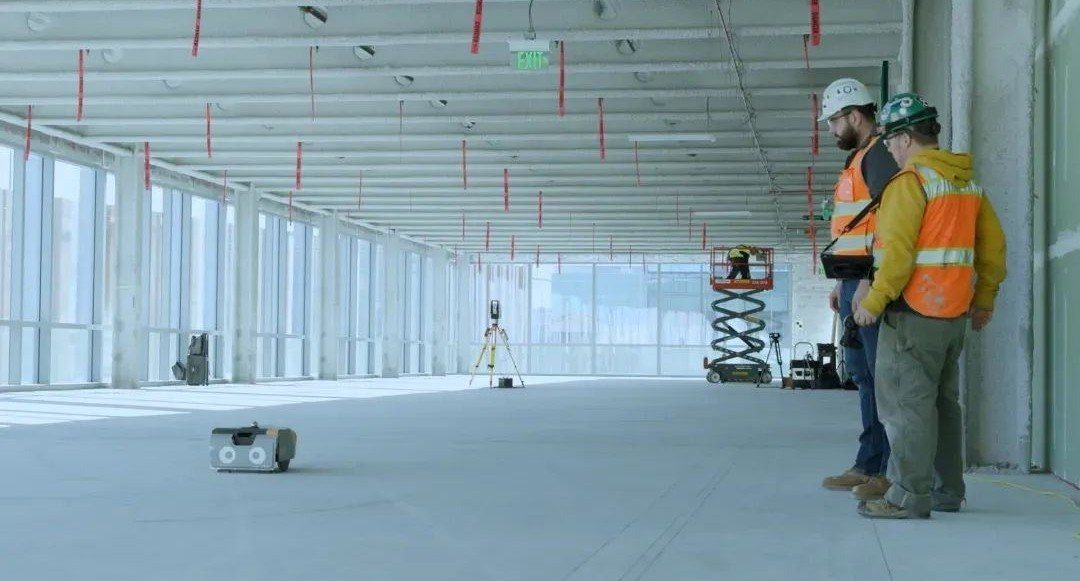
- A wrong model means a wrong mark
- Version control matters on a live site
The risk
A layout robot marking a concrete floor while two site workers look on, with a surveying instrument in view.
What you are seeing
Image: Dusty Robotics
Integration with project systems is a practical test of whether a deployment can scale across sites.
Cybersecurity
Protecting machines that can move.
Moving machines raise the cost of a cyber event
109
Four frameworks guide robot security
110
Moving machines raise the cost of a cyber event.
A compromised robot can harm people and property, not just data.
- Stolen credentials and remote access
- Tampered updates
- Ransomware that stops operations
Threats
- Network separation
- Signed updates and rollback
- Least-privilege access and logging
Controls
- Operational technology security tools
- Claroty, Dragos, Nozomi Networks are typical providers
Monitoring
Security is also a safety issue. ANSI/A3 R15.06-2025 added cybersecurity requirements for industrial robots.
Four frameworks guide robot security.
Insurers and customers refer to these frameworks when they ask for proof.
| IEC 62443 | Industrial automation and control systems security | Securing the machine and its network |
|---|---|---|
| Framework | Scope | Used for |
| NIST Cybersecurity Framework 2.0 | Organization-wide security outcomes | Governing and reporting on cyber risk |
| NIST AI Risk Management Framework | Managing AI risk across its lifecycle | AI governance and testing |
| ANSI/A3 R15.06-2025 | U.S. industrial robot safety, with cybersecurity added | Robot safety and security together |
A client that maps its controls to these frameworks answers most insurer security questions in one document.
Named platforms
Typical category leaders by layer.
Typical category leaders by layer
112
Typical category leaders by layer.
Examples only; Atomgigs is vendor-neutral and chooses by fit.
| Layer | Typical leaders |
|---|---|
| Cloud | AWS, Microsoft Azure, Google Cloud |
| AI models | Physical Intelligence, Google DeepMind, NVIDIA, Skild AI, Microsoft |
| Simulation | NVIDIA Isaac Sim, MuJoCo, Gazebo |
| Fleet management and data | InOrbit, Formant, Foxglove |
| Operational technology security | Claroty, Dragos, Nozomi Networks |
| Project and site software | Procore, Autodesk, Trimble, Bentley |
Names show the kinds of platforms in use. Inclusion is not an endorsement.
How Atomgigs works with platforms
Vendor-neutral selection and integration.
Atomgigs stays vendor-neutral
114
Atomgigs stays vendor-neutral.
Platforms get a real site and clear requirements. Clients get a stack that fits their task.
- 1Selects
Compares stacks against the site, the task and the client's systems Documents why one choice was made
- 2Integrates
Plans links to site systems and open interfaces Keeps the safety layer separate
- 3Tests
Uses simulation, then a staged pilot Captures the evidence for insurers and financiers
- 4Operates
Trained people supervise the fleet Updates are approved and logged
A neutral integrator lets platform vendors compete on fit, and gives clients a record they can show their enablers.
Regulators and standards (U.S.)
The U.S. rulebook, OSHA and workplace safety, robot safety standards, mobile and legged robots, drones and the FAA, cybersecurity and AI governance.
The U.S. rulebook
Who regulates what.
Several U.S. agencies each cover a piece
117
Three layers make up the rulebook
118
Several U.S. agencies each cover a piece.
No single U.S. rulebook covers physical AI.
| Body | What it covers | Touches physical AI through |
|---|---|---|
| OSHA | Workplace safety | Machine guarding, lockout/tagout and the General Duty Clause |
| FAA | Aircraft and airspace | Drone registration, pilot rules, waivers and beyond-visual-line-of-sight flights |
| FCC | Radio equipment | Wireless links used by robots and drones |
|---|---|---|
| NHTSA and states | Vehicles on public roads | Autonomous road vehicles and delivery robots |
| FDA | Medical devices | Robots used in care and surgery |
| NIST | Standards and guidance | Test methods, cybersecurity and AI risk frameworks |
| States | State law | AI governance laws, such as Colorado and California |
Atomgigs maps which rules apply to a task before the pilot begins.
Three layers make up the rulebook.
Laws set the floor. Standards define good practice. Contracts and site rules fill the rest.
- Binding on everyone in scope
- Issued by agencies and legislatures
- Examples: OSHA rules, FAA Part 107
Laws and regulations
- Written by industry and standards bodies
- Voluntary, but courts, insurers and customers treat them as the benchmark
- Examples: ISO 10218, ANSI/A3 R15.06
Consensus standards
- Set by the client, the insurer and the lender
- Often stricter than the law
- Examples: site safety plan, insurance warranties
Contracts and site rules
A deployment that follows the standards is usually easier to insure, finance and defend.
OSHA and workplace safety
How the workplace regulator treats robots.
OSHA has no robot-specific standard
120
Employers are expected to do five things
122
Workers stand close to machines
121
OSHA has no robot-specific standard.
OSHA applies general rules to robots, and points employers to consensus standards.
- 1General Duty Clause
Employers must keep the workplace free of recognized serious hazards Used when no specific standard fits
- 2Machine guarding
29 CFR 1910.212 Requires guards against hazards from moving parts
- 3Lockout/tagout
29 CFR 1910.147 Controls hazardous energy during servicing
- 4Technical Manual
OSHA guidance includes a chapter on industrial robots Points to ANSI/A3 standards
Employers carry the duty. A client that follows the ANSI/A3 standards has the strongest answer if OSHA asks.
Workers stand close to machines.
The employer's duty applies wherever people and equipment share a work area.
- Hazards assessed and guarded
- Workers trained, and energy controlled during service
What OSHA looks for
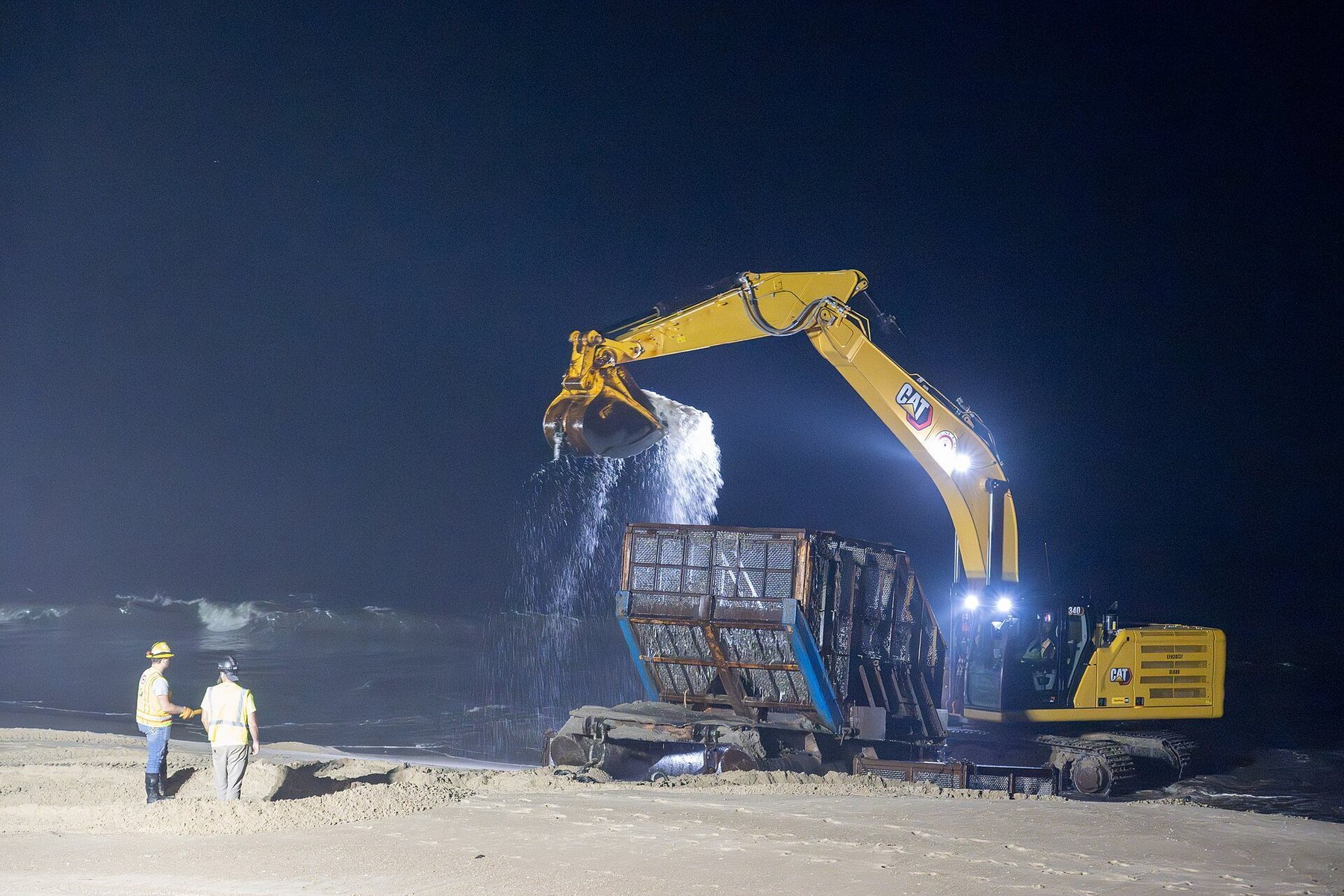
- A written risk assessment
- Records of training and checks
What helps
Two site workers standing a few meters from an excavator working at night on a beach replenishment job.
What you are seeing
Photo: Szeremeta, CC BY-SA 4.0
With no robot-specific rule, the employer's records are the strongest evidence of safe operation.
Employers are expected to do five things.
The same steps apply to a traditional machine and to a robot.
- 11 Assess
Identify hazards from the machine and the task. RECORD Risk assessment
- 22 Guard
Fit barriers, sensors and stops. RECORD Safeguards
- 33 Train
Teach workers how to work near the machine. RECORD Training records
- 44 Control energy
Lock out the machine before servicing. RECORD Procedures
- 55 Review
Check after changes, incidents and updates. RECORD Records
Atomgigs builds these records during the pilot, so the client has them on day one of production.
Robot safety standards
The standards stack by machine type.
A stack of standards defines robot safety
124
Different machines follow different standards
126
Industrial arms follow the R15.06 standard
125
A stack of standards defines robot safety.
From machine design to cybersecurity.
| Standard | Covers | Status |
|---|---|---|
| ISO 10218-1 and -2 | Industrial robot safety | Reissued January 2025 |
| ANSI/A3 R15.06-2025 | U.S. adoption of ISO 10218, with cybersecurity added | Published September 2025 |
| ISO/TS 15066 | Collaborative operation, where robots and people share space | In use |
| ISO 12100 | General principles of risk assessment for machinery | In use |
| ISO 13849 and IEC 61508 | Safety-related control systems | In use |
| ISO 25785-1 | Legged and dynamically stable industrial mobile robots | Committee draft |
Standards are updated every few years. Atomgigs tracks them and builds pilots to the newest version.
Industrial arms follow the R15.06 standard.
The best-known robot safety standard covers fixed arms in factories.
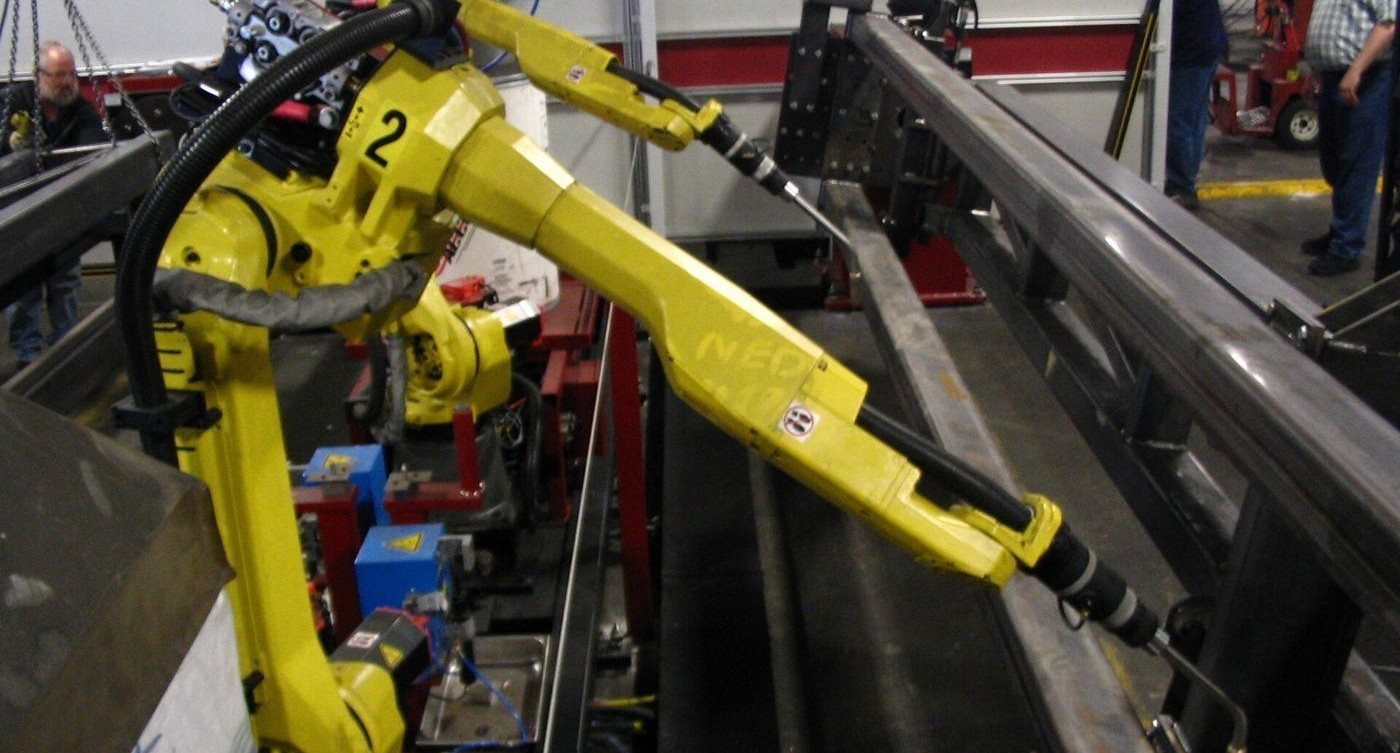
- Design and safeguarding of the robot and its cell
- Integration, with cybersecurity added in 2025
What it covers
- Makers and integrators
- Insurers and site safety teams
Who uses it
A yellow industrial robot arm working on a production line.
What you are seeing
Photo: Phasmatisnox, CC BY 3.0
A cell built to the current edition is the starting point for approval and insurance.
Different machines follow different standards.
Start with the machine type, then find the rule.
| Machine | Main U.S. standard or rule |
|---|---|
| Industrial robot arms | ANSI/A3 R15.06-2025 |
| Autonomous mobile robots | ANSI/A3 R15.08 series |
| Industrial trucks and automated vehicles | ANSI/ITSDF B56.5; ISO 3691-4 |
| Legged industrial robots | ISO 25785-1, in draft |
| Drones | FAA rules, including Part 107 |
| Service robots | UL 3300 |
A mixed fleet may follow several standards at once. The safety case should list each.
Mobile and legged robots
R15.08, ISO 3691-4 and the legged-robot gap.
Mobile robots now have a full U.S. standard series
128
Legged robots work in unstructured places
130
Legged robots are still waiting for a standard
129
Mobile robots now have a full U.S. standard series.
ANSI/A3 R15.08 covers industrial mobile robots in three parts.
| R15.08-1 | Requirements for the robot maker | Published 2020; reaffirmed for 2026 |
|---|---|---|
| Part | Covers | Status |
| R15.08-2 | Requirements for the integrator | Published 2023 |
| R15.08-3 | Responsibilities of the user | Published 23 April 2026, announced September 2026 |
R15.08-3 completes the series and was written in step with R15.06 Part 3, which covers users of industrial robots.
Legged robots are still waiting for a standard.
ISO 25785-1 is in committee draft and covers legged and dynamically stable industrial mobile robots.
- General machinery and mobile robot standards
- Maker safety guidance and site rules
What exists today
- A single standard for balance, falls and stopping
- Agreed test methods
What is missing
- Use a documented risk assessment
- Keep people clear of the machine's path
- Track the draft and plan to meet it
What to do now
Insurers and site owners will ask how a legged robot is controlled while the standard is still in draft.
Legged robots work in unstructured places.
Stairs, mud and clutter are why these machines are used, and why they are hard to standardize.
- Inspection rounds and site capture
- Places wheeled robots cannot reach
Where they work
- Falls and balance loss near people
- How the machine stops safely
Safety questions
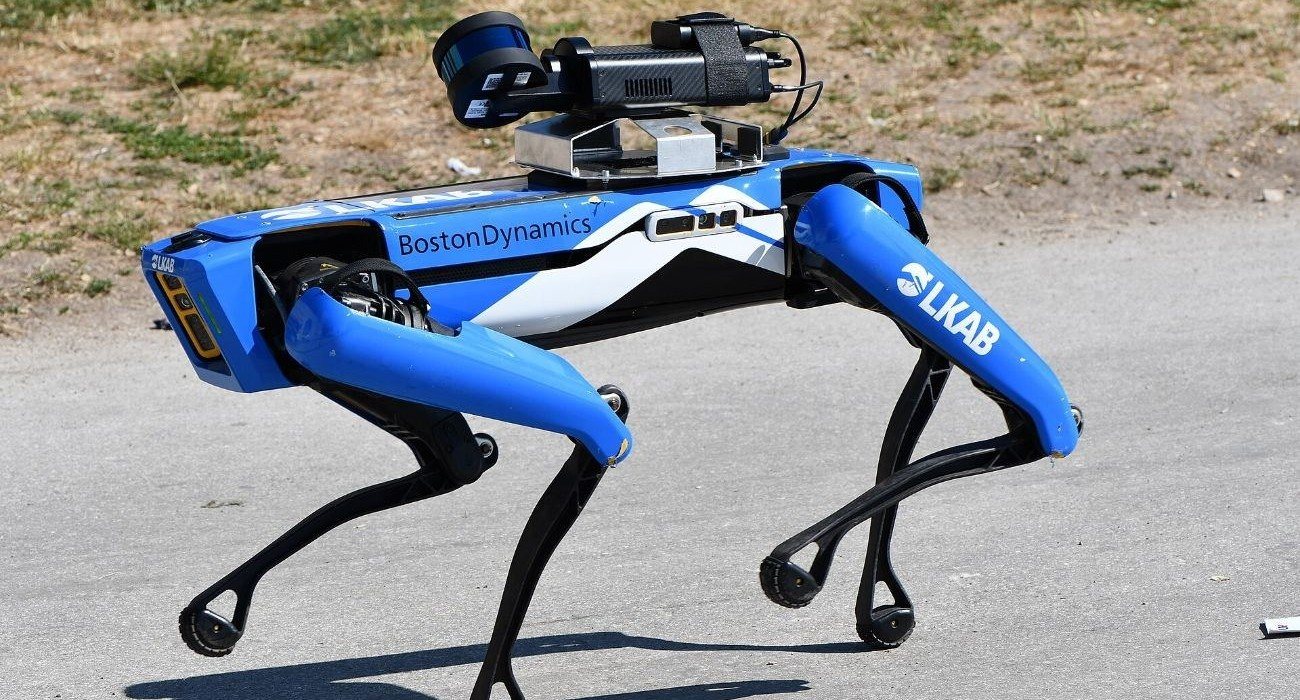
A four-legged robot with a sensor payload walking on a paved path.
What you are seeing
Photo: Tore Danielsson (WMSE), CC BY-SA 4.0
Until the draft standard is final, a documented risk assessment is the best evidence for a legged robot.
Drones and the FAA
Part 107, waivers and the pending Part 108.
Four paths let a drone fly commercially
132
Part 109 would unlock long-range drone flights
134
Commercial drones are regulated as aircraft
133
Four paths let a drone fly commercially.
The FAA sets different rules by aircraft weight, risk and distance.
| Part 107 | Small drones flown by certified pilots | Line of sight, daylight rules and Remote ID apply |
|---|---|---|
| Path | For | Notes |
| Waivers under Part 107 | Operations outside the standard limits | Approved case by case |
| Section 44807 exemptions | Larger or special aircraft | Used for many delivery and agriculture operations |
| Part 135 air carrier | Carrying packages for hire | The most demanding certification |
Flying as a service moves this burden to an operator that already holds the approvals.
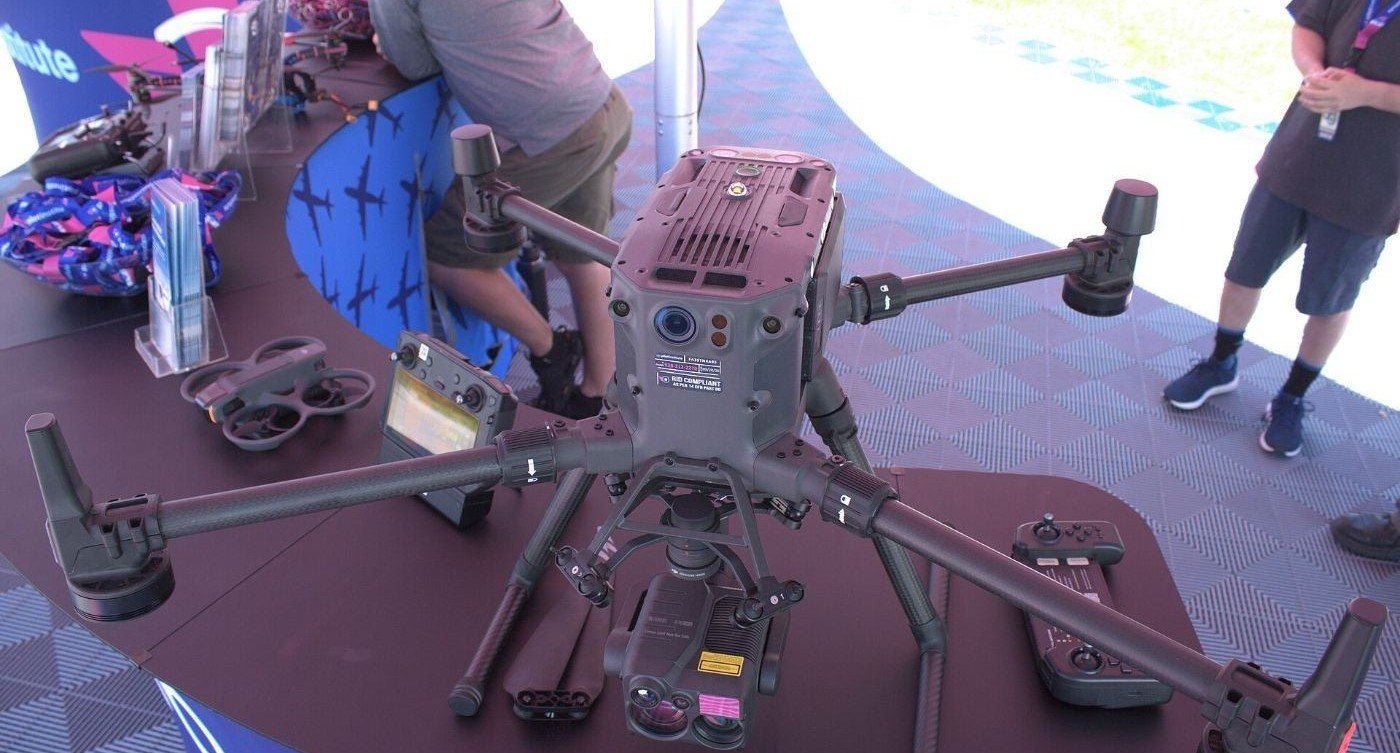
Commercial drones are regulated as aircraft.
Even a small drone needs a certified pilot, registration and Remote ID.
- Inspection and mapping
- Delivery and agriculture
Common uses
- Pilot certification and waivers
- Insurance for hull, payload and liability
What enablers ask
A professional multirotor drone with cameras and a payload, on display.
What you are seeing
Photo: ZLEA, CC BY-SA 4.0
Drone operations are well defined for small aircraft. Larger and longer flights depend on Part 108.
Part 108 would unlock long-range drone flights.
The final rule has been at White House review since July 2026 and is not yet published.
Aug 2025
FAA proposes Part 108
10 Jul 2026
Final rule goes to White House review
End of 2026
FAA hopes to publish the final rule
After final rule
Operators apply under the new rules
Until Part 108 is final, long-range operations rely on waivers and exemptions.
Cybersecurity and AI governance
NIST, federal policy and state laws.
Federal and state AI policy is moving quickly
136
Voluntary frameworks carry weight in practice
137
Federal and state AI policy is moving quickly.
The federal government and states have taken different approaches.
Dec 2025
Executive Order 14365 sets a national AI policy framework and creates a DOJ AI Litigation Task Force
1 Jan 2026
California SB 53 takes effect
Mar 2026
White House publishes an AI Policy Framework
24 Apr 2026
DOJ intervenes against the Colorado AI Act; enforcement is stayed on 27 April
14 May 2026
Colorado signs SB 26-189 to replace it
1 Jan 2027
Colorado SB 26-189 takes effect
Rules differ by state and are changing. Atomgigs designs governance that holds up under either approach.
Voluntary frameworks carry weight in practice.
Insurers, lenders and customers use NIST frameworks as benchmarks.
- Guides the mapping, measuring and managing of AI risk
- Gives a common language for governance
NIST AI Risk Management Framework
- Organizes security into six functions
- Used in contracts and insurance questions
NIST Cybersecurity Framework 2.0
- Security for industrial automation
- Used for machine and network design
Documenting alignment with these frameworks answers many questions from underwriters and regulators.
Sector rules: short notes
Healthcare, energy, roads and others.
Sector rules add to the general rules
139
Sector rules add to the general rules.
Short notes only. Each sector needs its own review.
| Sector | Main rule or body | Note |
|---|---|---|
| Healthcare | FDA | Robots used in diagnosis, treatment or surgery may be regulated as medical devices |
| Electric power | NERC CIP | Cybersecurity rules apply to the bulk electric system |
|---|---|---|
| Public roads | NHTSA and state law | Road vehicles and some delivery robots |
| Construction | OSHA construction standards | Apply on active job sites |
| Radio | FCC Part 15 | Applies to wireless equipment |
| Electrical systems | NFPA 70 and 79 | Cover wiring of equipment and machinery |
Atomgigs flags sector rules in the first scoping step, so they do not surprise the pilot later.
Testing and certification
Labs, listings and integrator programs.
Third-party testing proves a standard is met
141
Test labs measure robots on standard courses
142
Third-party testing proves a standard is met.
Listings from recognized labs help with approvals, insurance and sales.
Scheme or lab
What it offers
Nationally Recognized Testing Laboratories
OSHA-recognized labs such as UL, Intertek, TÜV SÜD America and CSA test and list products
| UL 1740 | Robots and robotic equipment |
|---|---|
| UL 3300 | Service, communication, information, education and entertainment robots |
| UL 3100 | Automated mobile platforms |
| UL 4600 | Safety case approach for autonomous products |
| NIST and ASTM | Test methods and standards work for robot performance |
A listed product shortens site approval and gives the insurer a name it recognizes.
Test labs measure robots on standard courses.
Standard test methods turn claims about a robot into numbers that buyers, insurers and regulators can compare.
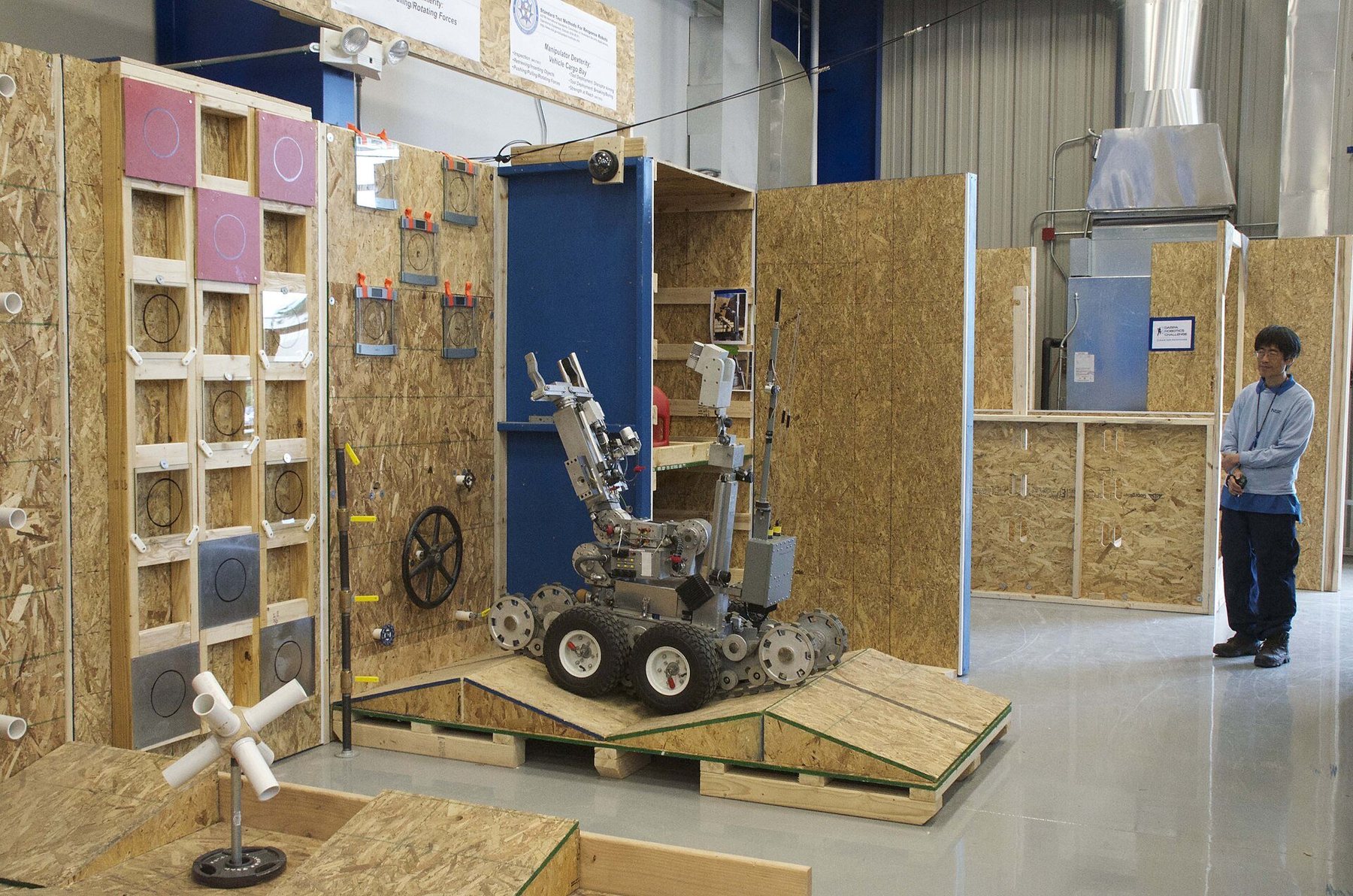
- A tracked response robot working through a NIST test apparatus: a ramp, a door handle, valves and reach targets.
- Each task is repeated and timed, so different robots can be compared on the same course.
- NIST and ASTM publish test methods of this kind for robot performance.
Photo: National Institute of Standards and Technology (public domain)
Safety cases
How to prove a machine is safe in its setting.
A safety case argues that the machine is safe here
144
Evidence grows with every week of operation
145
A safety case argues that the machine is safe here.
It links the machine, the task and the site to evidence.
- 11 Scope
Describe the machine, the task and the site. OUTPUT System description
- 22 Hazards
List what could go wrong. OUTPUT Hazard log
- 33 Controls
Set guards, limits, procedures and training. OUTPUT Control list
- 44 Test
Check controls in simulation and on site. OUTPUT Test records
- 55 Argue
Show why the evidence supports the claim. OUTPUT Safety case
Atomgigs builds the safety case during the pilot. Regulators, insurers and site owners can all use it.
Evidence grows with every week of operation.
A safety case is a living record, not a one-time document.
- Risk assessment
- Simulation results
- Training plan
Before the pilot
- Daily checks and logs
- Near-miss reports
- Corrective actions
During the pilot
- Summary of hours and incidents
- Updated risk assessment
- Plan for production
After the pilot
Proof builds over time. A pilot that logs safe operation produces the evidence every enabler asks for.
Outlook
What is coming in the next 24 months.
Rules to watch in the next 24 months
147
Rules to watch in the next 24 months.
Upcoming dates as announced; several depend on agency action.
End of 2026
FAA hopes to publish the final Part 108 rule for flights beyond visual line of sight
1 Jan 2027
Colorado SB 26-189 takes effect, replacing the Colorado AI Act
20 Jan 2027
EU Machinery Regulation applies to machines, including robots, sold into the EU
2026-27
ISO 25785-1 for legged industrial robots expected
Pilots started now can be built to meet rules that will be final by the time they reach production.
Atomgigs with enablers and outlook
What Atomgigs offers each group, collaboration models, the engagement path, outlook, ten things to remember, go deeper.
What Atomgigs offers each group
Four groups, four offers.
Each enabler group gets a different offer
150
Each enabler group gets a different offer.
Atomgigs brings vetted deployments, field data and a safety-first operating model.
| Financiers and lessors | Clients that will use the machines, with proof they hold value | Funded pilots, utilization data and a structuring role that brings client and financier together |
|---|---|---|
| Group | What it wants | What Atomgigs brings |
| Insurers and brokers | Controlled risk and a record they can price | Risk assessments, supervision plans, incident logs and a mapped contract chain |
| Software and AI platforms | Real sites, real operators and real data | Vendor-neutral integration, pilot sites and feedback from the field |
| Regulators and standards bodies | Evidence of safe operation in practice | Documented safety cases, test records and early use of new standards |
Atomgigs works with the enablers rather than selling to them. The goal is more deployments that clear every gate.
Collaboration models
Structures for working together.
Four ways to work together
152
Four ways to work together.
Each model is light to start and can grow with the relationship.
- 1Introduce and structure
Atomgigs brings a financier and a client together Helps shape the structure and the evidence pack
- 2Pilot partner
An enabler joins a pilot to see the machines at work Gets access to the site, the data and the team
- 3Evidence provider
Atomgigs supplies logs, assessments and safety cases Fits underwriting, credit and approval reviews
- 4Advisory
Joint review of a market, a product or a rule Short, scoped and time-boxed
No model requires an enabler to change its own process. Atomgigs adapts its evidence to what each one asks for.
The engagement path
Consulting, pilot, production and how to start.
The path: consulting, pilot, production
154
How to start
155
The path: consulting, pilot, production.
Each step produces evidence for the enablers who come next.
1 Consulting
Define the task, the site, the machines and the case.
OUTPUT
Scope and plan
2 Pilot
Run a small deployment with people in the lead.
OUTPUT
Operating record
3 Production
Scale the fleet with funding, cover and approvals in place.
OUTPUT
Managed operation
Atomgigs scales up the build and also operates. Contractors are hired per gig as the work grows.
How to start.
Three steps from a first conversation to a funded pilot.
- Tell us which part of the deal you serve
- We map it to the gates a pilot must clear
1 Talk
- Pick a task, a site and the evidence you need
- Agree what a good result looks like
2 Scope
- Run it with trained people in the lead
- Receive the record your process asks for
3 Pilot
Contact: [email protected] or +1-310-694-4750.
Outlook
Where enabler markets are heading.
Where enabler markets are heading
157
Where enabler markets are heading.
Four directions to watch.
- 1Financing
More makers raise capital Robots-as-a-service is projected to grow about 17.5% a year Third-party fleet owners may grow
- 2Insurance
From silent AI to named cover Specialist limits rise as data builds Expect closer questions on governance
- 3Software
Open interfaces spread Foundation models reach more tasks Security and update control matter more
- 4Regulation
Part 108 for drones R15.08-3 completes the mobile robot series ISO 25785-1 for legged robots to follow
Enablers that engage early with real deployments will set the terms the market adopts.
Ten things to remember
The short version.
Ten things to remember
159
Ten things to remember.
The short version of the primer.
A deal clears six gates.
Need, machines, money, cover, clearance and operation.
Four enabler groups decide.
Financiers, insurers, platforms and regulators.
Makers write most service contracts.
Financiers fund the fleets behind them.
Tax rules can favor buying.
Section 179 and bonus depreciation matter in 2026.
Silent AI is the insurance gap.
Check exclusions and who bears software risk.
Specialist cover is arriving.
Limits up to $25M per insured, with governance asked for.
Software is a stack.
Seven layers, open interfaces and a separate safety layer.
Safety standards just moved.
R15.06-2025, R15.08-3 and the pending ISO 25785-1.
Drone rules are still pending.
Part 108 is at the White House.
Operating proof opens every door.
Pilots that log safe operation unlock money, cover and approvals.
Go deeper
Other Atomgigs primers.
Go deeper in other primers
161
Go deeper in other primers.
Related Atomgigs primers, each at its own address on atomgigs.com.
Primer 01 Robotics
- atomgigs.com/robots
- Primer 02 OEMs, Drones and VTOL
- atomgigs.com/oems
- Primer 13 Physical AI Technology
- atomgigs.com/technology
Machines
Primer 07 Data Centers
- atomgigs.com/data-center
- Primer 08 Manufacturing and Logistics
- atomgigs.com/manufacturing
- Primer 09 Construction and Infrastructure
- atomgigs.com/construction
- Primer 10 Public Safety and Defense
- atomgigs.com/public-safety
- Primer 11 Commercial Services
- atomgigs.com/commercial
- Primer 12 Physical AI Labs
- atomgigs.com/labs
Buyers
Primer 00 Value Proposition
- atomgigs.com
- Primer 03 Talent
- atomgigs.com/talent
- Primer 04 Investors
- atomgigs.com/investors
- Primer 06 Channel Partners
- atomgigs.com/channel-partners
Partners and people
Each primer shows the same gates from a different seat.
About us and notes
The primers, Atomgigs, Mavengigs, Monty Pandey, notes.
The primers, one address each
Every primer is readable on atomgigs.com or in presentation mode.
| # | Primer | Address | What it promises |
|---|---|---|---|
| 00 | Value Proposition | atomgigs.com | Why Atomgigs, and how it works. |
| 01 | Robotics | atomgigs.com/robots | Every robot type, for every application. |
| 02 | OEMs, Drones and VTOL | atomgigs.com/oems | Everything that helps people work in the physical world, other than robots. |
| 03 | Talent | atomgigs.com/talent | The experts who work alongside physical AI. |
| 04 | Investors | atomgigs.com/investors | Where physical AI capital is going, and how to find and track deals. |
| 05 | Enablers | atomgigs.com/enablers | The organizations that pay for, insure, run and approve machines at work. |
| 06 | Channel Partners | atomgigs.com/channel-partners | Winning and delivering projects with physical AI. |
| 07 | Data Centers | atomgigs.com/data-center | How data centers are built, run and paid for, and who buys them. |
| 08 | Manufacturing and Logistics | atomgigs.com/manufacturing | How goods are made, stored and moved. |
| 09 | Construction and Infrastructure | atomgigs.com/construction | How we build and run the physical world. |
| 10 | Public Safety and Defense | atomgigs.com/public-safety | Extending public safety and defense teams with machines. No weapons. |
| 11 | Commercial Services | atomgigs.com/commercial | Where robots, drones and automation work in service businesses. |
| 12 | Physical AI Labs | atomgigs.com/labs | Physical AI data for training robots, only with customer approval. |
| 13 | Physical AI Technology | atomgigs.com/technology | The stack behind robots, from silicon to fleet. |
Atomgigs: Physical AI Delivered as Jobs Done
Machines and people as one hybrid workforce, to scale up what you build and run. Primers hold the details.
What Atomgigs is
- Robots, drones, VTOL, IoT and automation, with people, as one hybrid workforce.
- Humans in the lead, physical AI in the loop.
- Not a machine builder: it sources from makers, then staffs, integrates, deploys and operates.
The sources
- Robots: every robot type, profiled in depth.
- Everything other than robots: drones, VTOL, IoT and automation, from many makers.
- The humans: role families across the trades, engineering and safety, every person a contractor.
Who we work with
- Investors: consulting before and after the deal.
- Enablers: financiers, insurers, platforms and regulators behind every deal.
- Channel partners: engineering, design, MEP and construction firms.
Buyer groups
- Data centers
- Manufacturing and logistics
- Construction and infrastructure
- Public safety and defense (no weapons)
- Commercial services
- Physical AI labs
How it works
- Consulting engagement, then a short pilot, then production.
- One scope, one site, one metric in the pilot.
- A small senior pod runs every site, with a named human manager for every robot.
How we are paid
- Pilot, managed crew, outcome-based or advisory.
- No capital outlay for machines and no long-term headcount.
- Pay for capacity and outcomes; scale up as results are proven.
Atomgigs is a Mavengigs venture. Atomgigs is a division of Panvisage Inc.
Mavengigs: the Scale Up Guys
Consulting, Capital and Ventures.
Mavengigs Consulting
- Strategic M&A, transformation and optimization
- Focused on the part of M&A that begins after everyone shakes hands
- Built for PE-backed and Fortune 500 teams
Mavengigs Capital
- An independent sponsor platform
- Family office strategy and management
Mavengigs Ventures
- Funding and mentorship for founders we back
- Panmedical: digital health in India, run as CEO
- Atomgigs, Mavens Life and Mavens Health
Mavengigs is a division of Panvisage Inc.
Monty Pandey: Founder and CEO
Founder, CEO and driving force behind Atomgigs
Career and experience
- 30+ years of management consulting: managed major M&A deals totaling $20 billion; scaled 50+ companies for $100 million of impact
- Deep expertise in M&A consulting, including integrations and divestitures
- 2018 to present: Mavengigs: Consulting, Capital and Ventures
- 2004 to present: Founded Panvisage, CEO for 22 years
- 2024 to present: Panmedical CEO (digital health)
- 1998 to 2004: Oracle, led 14 enterprise programs
- 1994 to 1996: Rolled out nationwide cell networks
- 1992 to 1994: Car and truck design (CAD, CAM, CIM)
- 1991: B.E. Electrical and Electronics Engineering
- 1989 to 1991: Designed robots, AGVs and manufacturing transfer lines
- Data centers: built one from scratch in 2000; data center migration in 2008; Equinix in 2020
- E&C companies: WSP, Jacobs, Worley, Halliburton, Fluor, Brown & Root
- Managed the buildout of a manufacturing plant and a distribution center
Monty Pandey
- Founder and CEO, Atomgigs
- Founder and CEO, Mavengigs
- Co-founder and CEO, Panmedical
| Selected transactions | Value | Role |
|---|---|---|
| GE Appliances / Haier | $5.6B | Readied for sale |
| Jacobs / CH2M / Worley | $3.3B | Integration, Divestiture |
| ITW Signode / Carlyle | $3.2B | Carve-out, then sale |
| AMLI / Morgan Stanley | $2.1B | Take-private |
| Fortune Brands / ACCO / GBC | $2B | Divestiture, Integration |
| Equinix / Packet | $335M | Integration |
Notes on use
Three things to keep in mind when reading this deck.
Not investment advice
Atomgigs provides consulting. We are not an investment advisor, so you make your own decisions on investments.
Products belong to their owners
Company, product and robot names, logos and photos are used as examples and belong to their owners. This deck is for information only and is not a contract or an offer.
About the numbers
Numbers come from publicly available sources and are the latest available at publication. Costs, prices and returns are typical ballpark values, not quotes; they will be updated for your specific engagement.
Visual guide and reference
Machines in the field, glossary, quick reference, organizations.
Machines in the field.
Three machine types that enablers finance, insure, run and approve.
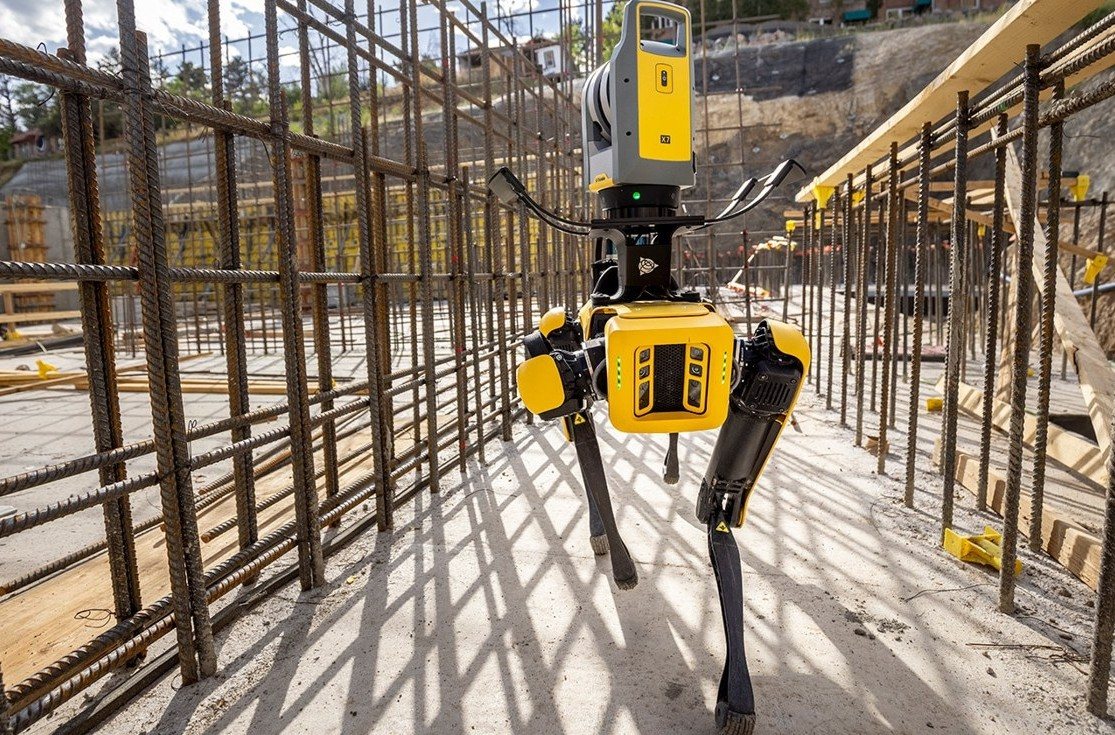
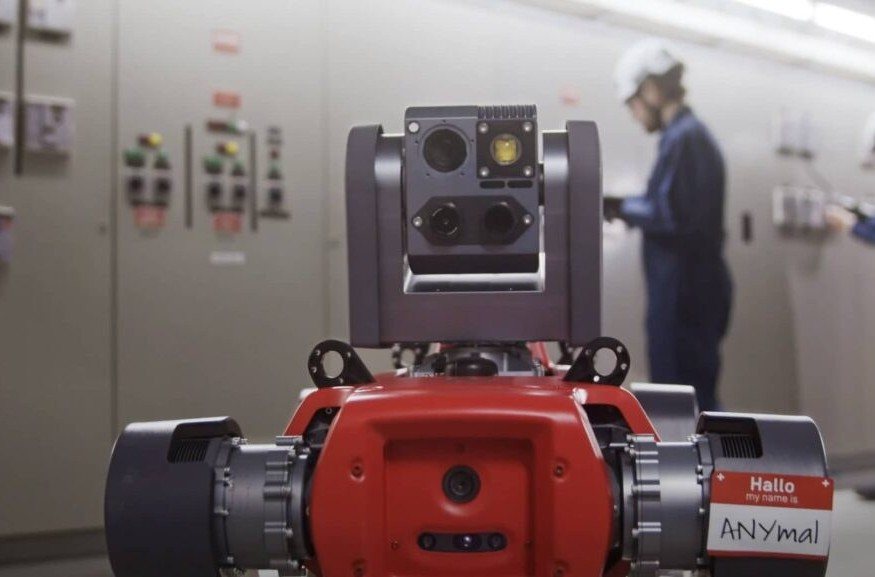
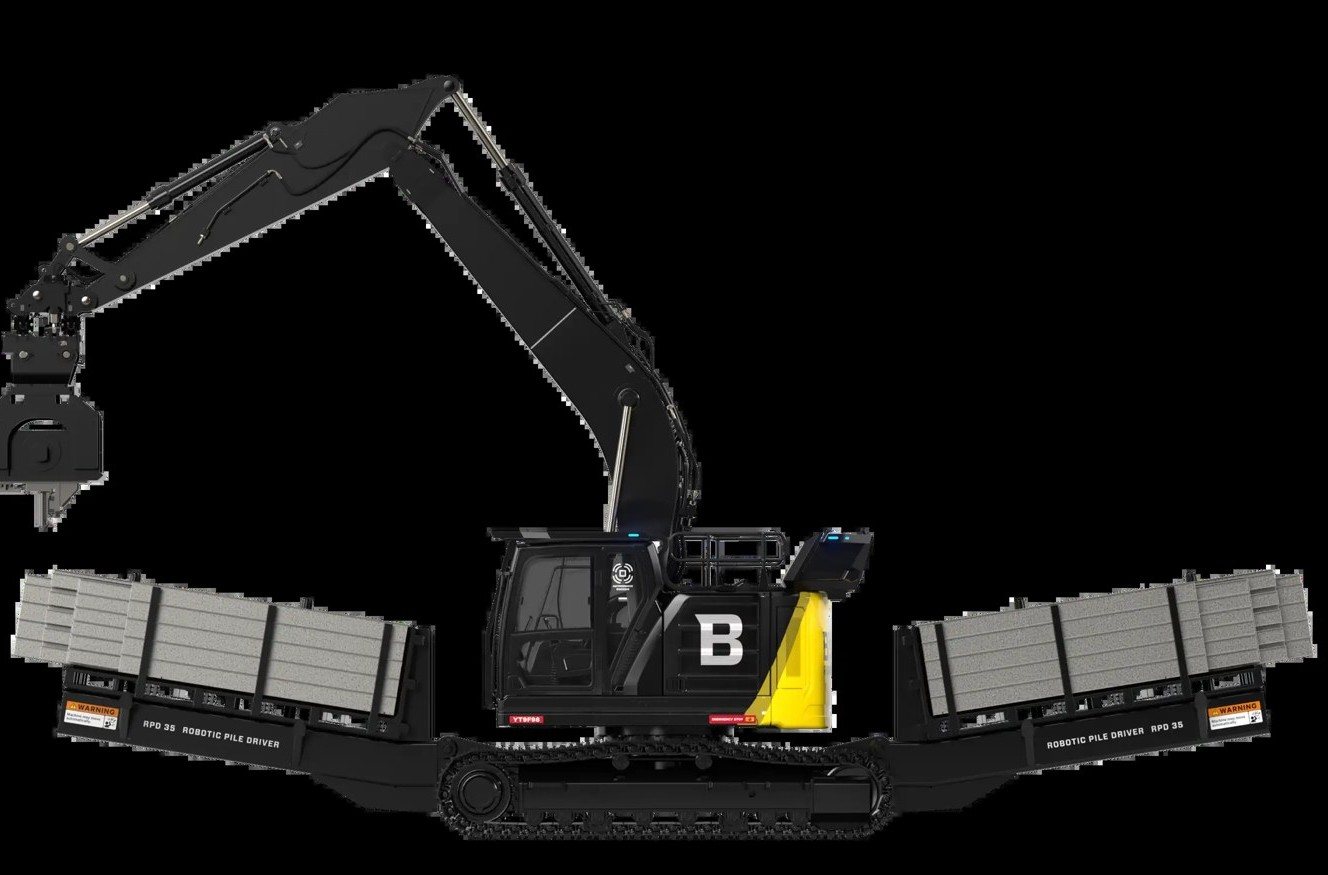
Products and photographs belong to their owners and are shown for illustration only.
More machines in the field.
Three machine types that enablers finance, insure, run and approve.
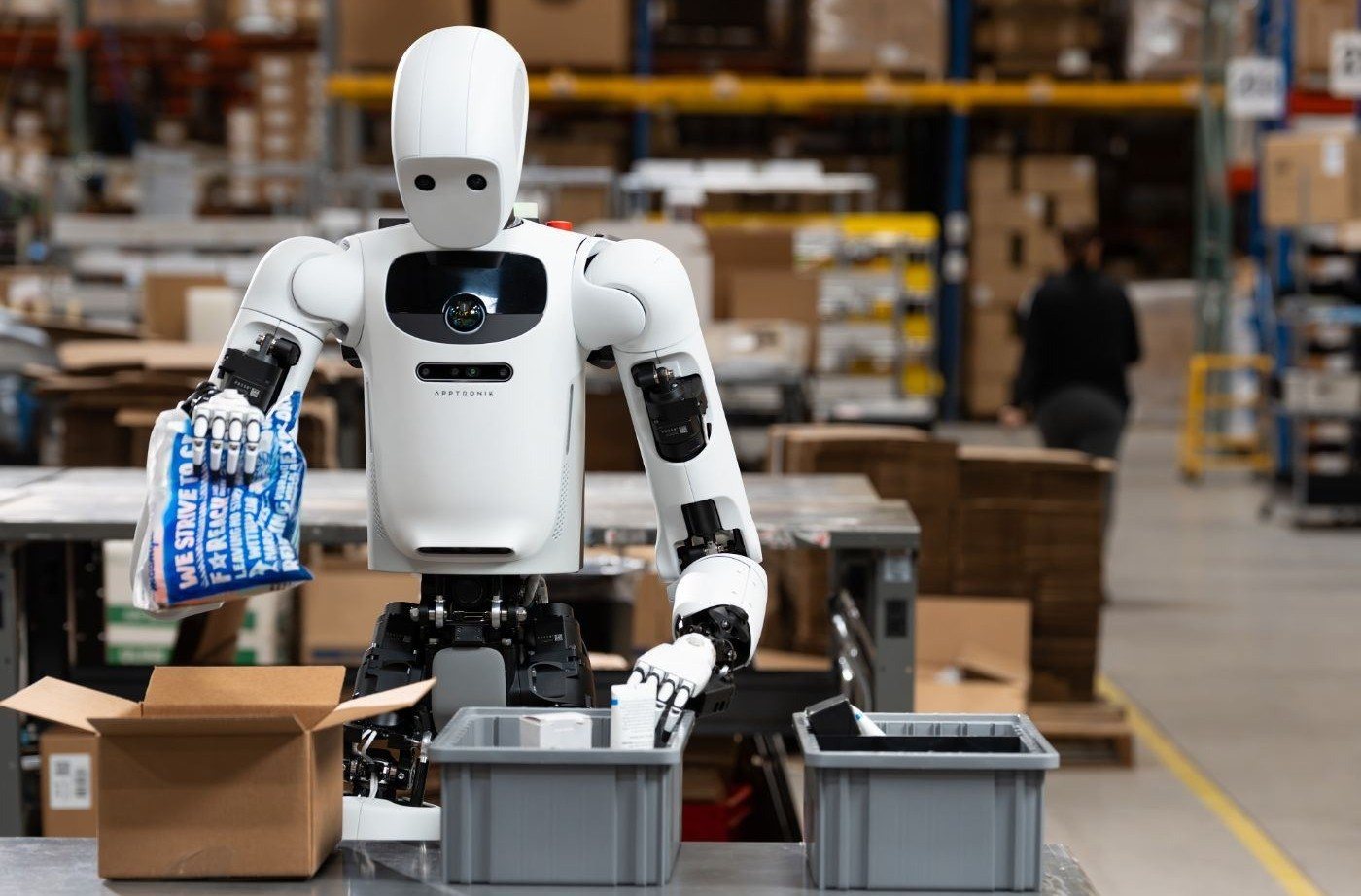
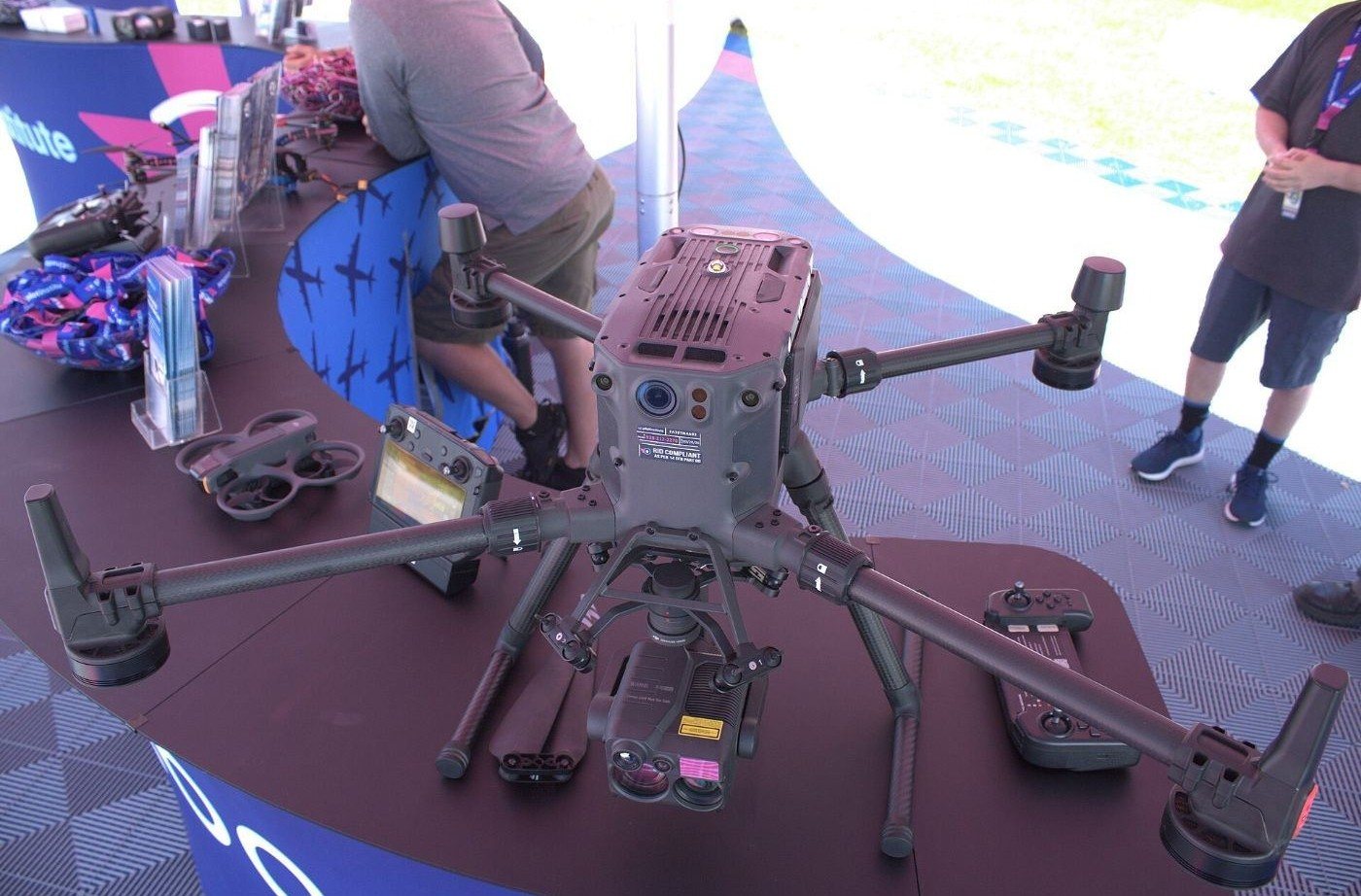
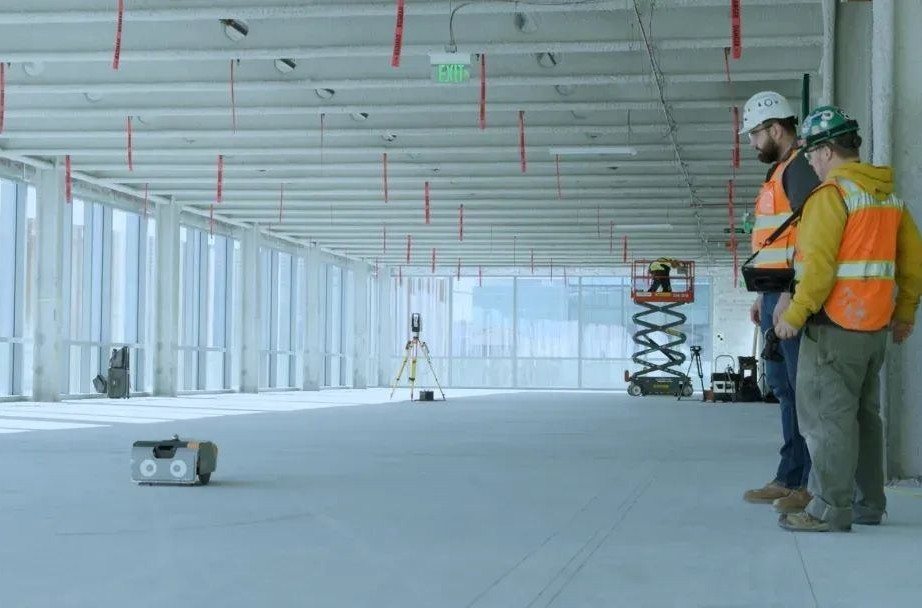
Products and photographs belong to their owners and are shown for illustration only.
Glossary
Twenty-four terms in plain English.
Glossary: money
172
Glossary: technology and rules
174
Glossary: insurance
173
Glossary: money.
Plain-English definitions.
| Term | Meaning |
|---|---|
| Capex | Capital expenditure: money spent to buy a machine that lasts several years. |
| Robots as a service | A monthly fee that covers the machine, software and support. |
| Lessor | The company that owns a leased machine and rents it to the client. |
| Residual value | What a machine is expected to be worth at the end of a lease. |
| Utilization | The share of time a machine is working, or the hours it works. |
| Fair market value lease | A lease where the client can buy the machine at the end for its then-current value. |
| Venture debt | Loan to a venture-backed company, often with warrants. |
| Opex | Operating expense: a running cost, such as a service fee. |
Glossary: insurance.
Plain-English definitions.
| Term | Meaning |
|---|---|
| Silent AI | Risk from AI that an insurance policy neither covers nor excludes by name. |
| Affirmative cover | Insurance that names AI risk as covered. |
| General liability | Cover for injury or damage to third parties. |
| Product liability | Cover for harm caused by a defective product. |
| Underwriter | The insurer's specialist who decides whether to cover a risk and at what price. |
| Broker | An intermediary who places cover and advises the client. |
| Accumulation | Many losses arriving together from one cause, such as a software update. |
| Hull cover | Insurance for damage to the aircraft or machine itself. |
Glossary: technology and rules.
Plain-English definitions.
| Term | Meaning |
|---|---|
| Fleet management | Software that assigns, tracks and updates many machines. |
| Digital twin | A live virtual copy of a site or system, used for testing. |
| ROS 2 | Open-source middleware for robot software. |
| VDA 5050 | A standard interface between a master controller and mobile robots. |
| BVLOS | Beyond visual line of sight: a drone flight the pilot cannot see directly. |
| Remote ID | A broadcast of a drone's identity and location, required by the FAA. |
| NRTL | Nationally Recognized Testing Laboratory: an OSHA-recognized product tester. |
| Safety case | A structured argument, backed by evidence, that a system is safe in its setting. |
Quick reference
Key numbers and rules of thumb.
Key numbers
176
Key rules and standards
177
Key numbers.
Figures used in this primer.
| Number | What it measures |
|---|---|
| 5.08M | Industrial robots in operation worldwide, 2025 |
| 603,000 | Industrial robots installed worldwide in 2025, up 11% |
| 36,766 | Robots ordered in North America in 2025, worth $2.25B |
| $1.3T | U.S. equipment finance market |
| $14.3B | Record monthly new business volume in U.S. equipment finance, July 2026 |
| $2.56M | Section 179 expensing limit for 2026 |
| 2,369 | Generative AI exclusion filings across 49 states by mid-2026 |
| $25M | Top limit per insured on a standalone AI liability policy |
Key rules and standards.
Where to look first.
| Rule or standard | What it covers |
|---|---|
| ANSI/A3 R15.06-2025 | Industrial robot safety, with cybersecurity |
| ANSI/A3 R15.08 series | Industrial mobile robots |
| ISO 25785-1 | Legged industrial robots, in draft |
| FAA Part 107 | Commercial flights by small drones |
| FAA Part 108 | Flights beyond visual line of sight; final rule at White House review since July 2026 |
| VDA 5050 | Mobile robot interface standard |
| IEC 62443 | Industrial automation security |
| NIST AI Risk Management Framework | Voluntary AI risk guidance |
Organizations
Associations, regulators and standards bodies.
Organizations
179
Organizations.
Bodies named in this primer.
| Organization | Role |
|---|---|
| A3 (Association for Advancing Automation) | Robot standards and trade events in North America |
| ANSI and ISO | National and international standards bodies |
| OSHA | U.S. workplace safety regulator |
| FAA | U.S. aviation regulator |
| NIST | U.S. standards and measurement agency |
| UL, Intertek, TÜV SÜD America, CSA | Testing and certification laboratories |
VDA and VDMA
German automotive and machinery associations behind VDA 5050 and OPC UA robotics work
Verisk (ISO unit)
Publisher of insurance forms, including AI exclusion forms
Have a project that needs hands and machines?
Tell us about the site, the scope and the schedule. We will come back with a pilot proposal.